
Organizing a Huge Vinyl Collection in Jacksonville, FL
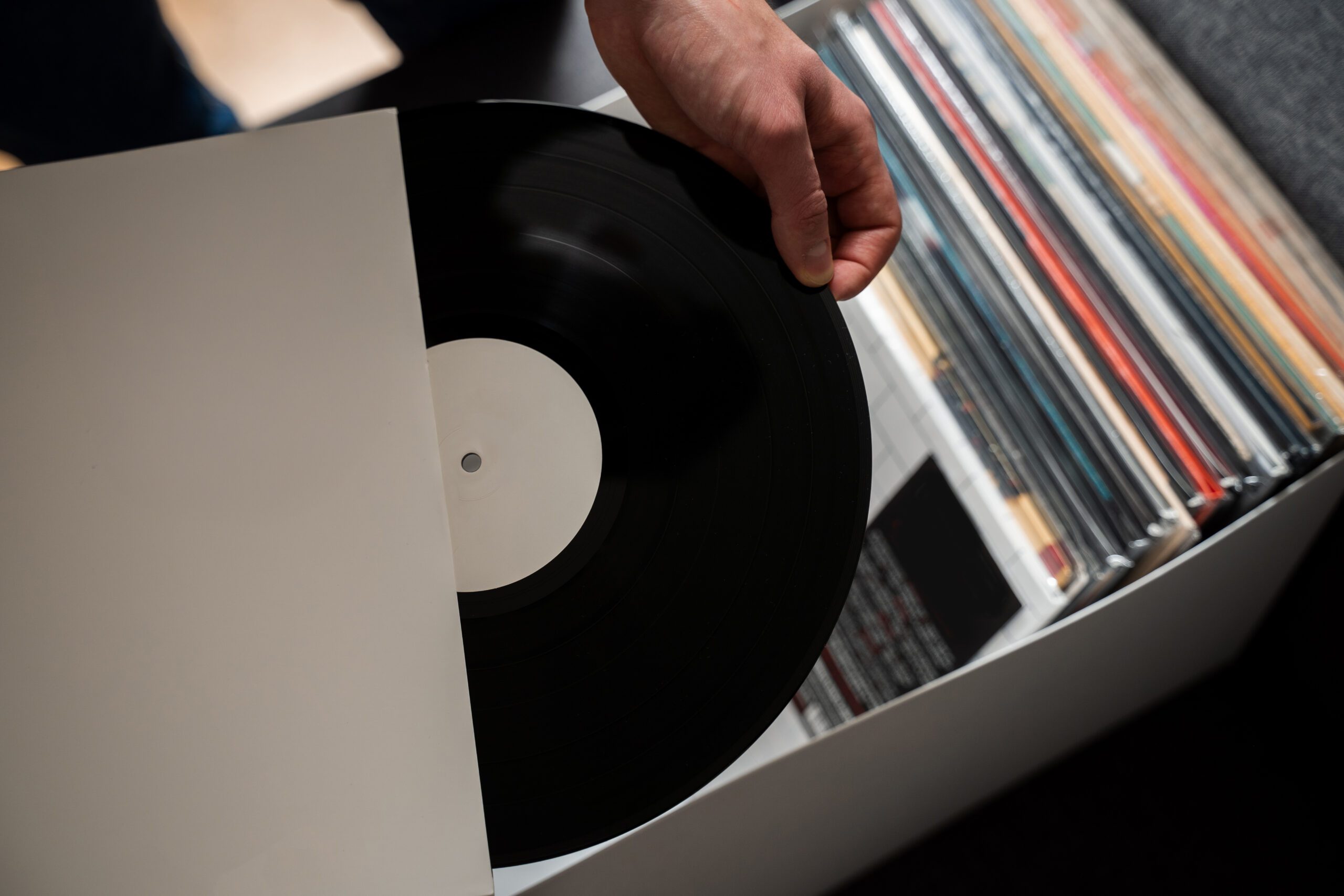
Sort a large collection into four rough piles and stop there. Anything finer is work a buyer will redo anyway. Paul has been buying collections since 2001, and families across Duval County almost always overestimate what a sale requires. A thousand records sorted roughly by genre helps us more than the same thousand alphabetized over three weekends. Sellers who quickly sell vinyl records in Jacksonville, FL spend an afternoon on this, not a month.
Why a Large Collection Is Not Just a Big Shelf
A few hundred records is a project, while a few thousand is a logistics problem, and the difference is not linear. At that size you cannot hold the whole thing in your head, and you cannot carry it in one trip. You will lose track of which boxes you have been through unless you label as you go. Most of the frustration people describe comes from treating the second situation like the first.
Weight catches everyone out. Records run heavy, and a full milk crate is awkward for one person and risky down a flight of stairs. Jacksonville homes built on slab with converted garage storage make this worse. The collection usually sits as far from the front door as it possibly could. Work out the route before you start lifting rather than halfway through.
A decision problem hides inside the sorting problem too. Somewhere in a large collection are the twenty records that carry real sentiment. Elsewhere are the fifty that carry real money. They are rarely the same records, and finding both is the actual job. Everything else is moving cardboard.
Start With Rough Piles, Not a Spreadsheet
The fastest method we see work is four piles and a marker, sorted by genre and nothing finer. Jazz and blues in one, rock and its relatives in another, soul and R&B in a third, and everything else in a fourth. Write the category on the box, keep the records upright inside, and move on. One person can clear a thousand records in an afternoon at that level of precision.
Resist the pull toward detail. Alphabetizing and condition-grading your own collection feels productive and changes nothing. A buyer grades independently on site, whatever order the records arrived in. We have watched sellers spend six weeks building a catalog that we then set aside. If you want one for your own reasons, that is fair, and how to catalog vinyl records walks through it properly.
The fourth pile deserves a note. Country, big band, swing and mainstream pop end up there, along with exercise, comedy and political albums. Those sit outside what we buy right now. Keeping them separate saves time on the visit, and it spares you hearing the same answer forty times.
Three Ways to Sort, and What Each One Costs
| Method | Time for 1,000 records | Best for |
| Four rough genre piles | One afternoon | Most sellers, estates, any collection over 500 |
| Sort by room or source | Two hours | Collections spread across a house or several storage spots |
| Full catalog with condition notes | Several weekends | Owners who want their own record of what they had |
Not sure the collection is worth the afternoon?
Send us a rough count and the main genres, and we’ll tell you whether it fits what we buy before you move a single box.
Call or text Paul Robinson at 904-299-3683What to Pull Aside and Keep Separate
A few things deserve their own box, away from the main piles. These are the items most likely to carry value that a quick flip would miss. They are also the ones most likely to get damaged while everything else is shuffled around.
- Anything still sealed, with the shrink wrap intact and unopened.
- Autographed covers, even if you are unsure who signed them.
- Promo and white label copies, usually marked on the label rather than the sleeve.
- Box sets and anything with a booklet, since missing inserts change the value.
- Records with no sleeve, which need protecting before they get scuffed.
Put that box somewhere out of the traffic pattern, and tell us about it when we arrive, because we go through it first. More than once it has been the most valuable twenty minutes of a visit.
What Happens to the Rest When We Arrive
We work through the piles you made rather than around them. That is why rough genre sorting earns its afternoon, and fine sorting does not. Our buyer grades on site using play grading and visual grading. One listens for skips and surface noise on a turntable. The other checks each record under a strong light for scuffs and warping. Every record lands between Mint and Poor, with pressings and artists factored in. The step-by-step version is laid out in how our vinyl buying process works, covering each stage from sorting to the final offer.
We buy the collection as a whole rather than picking out a dozen titles. That is the practical difference between a house call and a trip to a shop. It matters most at this size, since nobody wants nine hundred records left over and a gap where the good ones were.
Then we make a cash offer on the spot and handle the lifting ourselves. Nothing gets shipped, and nothing gets listed. The boxes leave with us rather than sitting in your hallway for another month.
Got a collection too big to face alone?
Send us the rough count, the genres, and where everything sits. We’ll plan a visit around it across Jacksonville, Jacksonville Beach, and Duval County, grade everything on site, and pay cash on the spot.
Related Topics: