
What Makes a Record Collection Sell in Jacksonville, FL?
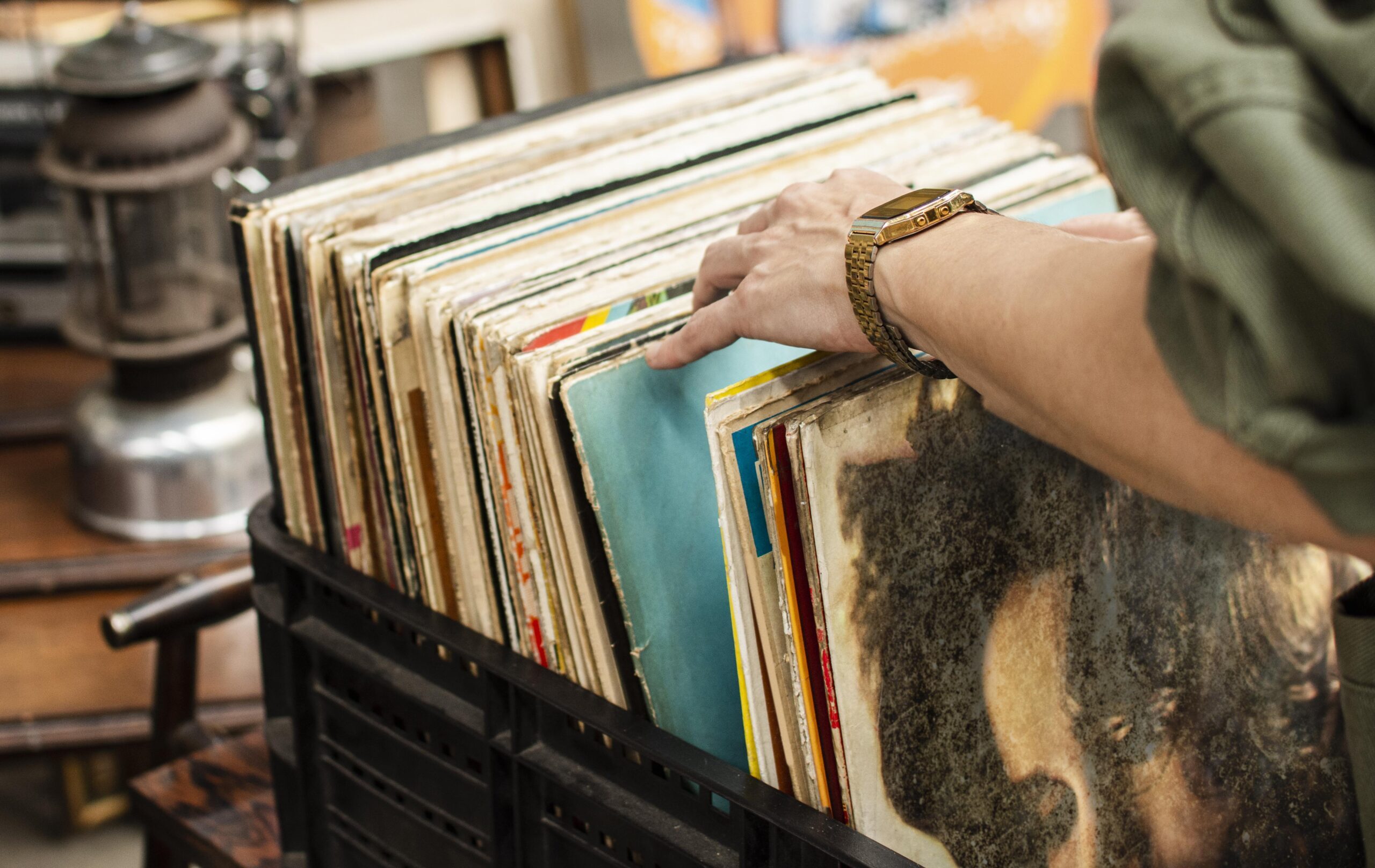
A collection sells on four things. Those are the artists in it, the condition, the pressings, and the genres. Paul Robinson started this family business in 2001, and we have run house calls across Duval County ever since. Most weeks we know the answer before the second crate comes down. You can sell vinyl records for cash in Jacksonville, FL without shipping a single album, since our buyer brings grading equipment to your door. Pull one record out and look at the sleeve, and you already know more than you expect.
What Do We Look For First in a Collection?
Artists and labels come first, and they tell us within a minute whether a collection deserves a full afternoon. A stack of Blue Note spines reads differently than a stack of chart compilations. The same holds for Howlin Wolf and Muddy Waters sitting beside Led Zeppelin and Nirvana. We are reading for depth rather than famous names. Someone who bought every obvious title and stopped there built a shallow collection. Someone who followed one artist for a decade built a deep one.
After the names, we read the records themselves. A pressing tells us when and where a record was made, and that one detail separates a cheap reissue from a valuable original. We check the label design and the matrix numbers in the dead wax. We also check whether a record is mono or stereo, since all three move the number. None of this asks anything of you beforehand, since it is simply what our hands do while we flip.
The third read is harder to put into words, since a collection that was used looks different from one that was stored and forgotten. We see it in the sleeve spines, the paper inner sleeves, and the ballpoint writing across a cover. Collections that were played and cared for tend to grade better, and better grades lift the offer.
Does Condition Change the Offer That Much?
Condition sets the ceiling on value, so the answer is yes. It does not always move the way people expect. We grade two things separately, the record and the sleeve, because damage to either one affects what a record resells for. A clean record in a stained jacket is still a sale. A flawless jacket wrapped around a cracked record is not.
We grade in two ways on site. Play grading puts a record on a turntable and listens for skips and surface noise. Visual grading holds it under a strong light and tilts it until scuffs show. Halogen light or direct sun works best for that second pass, and every record lands somewhere between Mint and Poor. The two methods catch different problems, which is why we run both rather than picking one.
Here is the part sellers underestimate. Rarity can outrun condition. A scarce first pressing in middling shape often beats a common reissue in beautiful shape. So a rough-looking box is never a reason to skip the call. Let us look before you decide anything is worthless. The specific markers behind this are covered in what makes a vinyl record valuable.
Which Genres Sell and Which Ones Do We Pass On?
Not sure your genres make the cut?
Send us the main styles and a rough count, and we’ll tell you whether it’s a fit before anyone schedules a visit.
Call or text Paul Robinson at 904-299-3683Does the Size of the Collection Matter?
Size matters for scheduling more than for qualifying, and we specialize in large collections, including estates, DJ collections, and radio station libraries. A few thousand records in a garage is a normal week for us. There is no minimum count to start the conversation, so a few crates still earns a real answer.
Larger collections carry an advantage worth naming. When we buy a collection whole, we price it whole, so the strong titles carry the ordinary ones. That leaves you without a pile of whatever nobody wanted. That is the practical gap between selling a collection and selling the ten records a shop felt like taking. The full picture of how much my old records are worth lays out the factors behind that pricing.
Size changes the logistics too, and we plan around it. We schedule Florida buying trips in advance, so tell us where the collection sits and how many records are there. Knowing whether it is all on one floor lets us bring the right help and the right vehicle.
How Can You Check Your Own Collection Before Calling?
You need no playback equipment and no expertise to get a useful read on your own records. Ten minutes with a flashlight and a notepad gets you most of the way. It also makes the phone call faster.
Run through this before you call:
- Count roughly. Measure a shelf foot and multiply, since nobody needs an exact number.
- Name the top three genres. Flip through five sections and write down what repeats.
- Check ten records at random under a lamp for scratches, warping and cracks.
- Look at the sleeves. Note water staining, mold, split seams and writing on covers.
- Pull anything unusual aside, including autographs, promo copies, box sets and sealed albums.
That list is roughly what we do on arrival, only slower and with a turntable. Nothing on it changes the offer by itself, though it means the two of us start the visit from the same place.
What Actually Happens During the Visit?
The visit opens with a walk-through rather than a flip-through. We see where the records are, how they are stored, and how much there is. That tells us how to work and roughly how long we will be there. Nothing needs to be moved to a table beforehand, and you do not need to clear a room for us.
Then we grade in front of you and explain what we see as we go. Play grading and visual grading both happen on the spot, and we talk through the artists, pressings, and condition that move the number. You get the reasoning rather than a figure with nothing behind it. When we finish the collection, we make a cash offer on site and pay immediately if you accept.
You are free to say no, and some sellers do, which is a normal part of how this works. Our reasons for taking collections whole are covered in why some record buyers only buy collections. Nothing gets shipped at any stage, and no boxes are left sitting in your hallway.
Frequently Asked Questions
Do you buy small collections, or only large ones?
Both. We specialize in large collections, estate collections, and DJ libraries, and there is no minimum count to call. Value depends on artists, pressings, and condition rather than volume alone. A few crates of the right jazz or soul can beat a thousand ordinary albums.
What if my records are scratched or warped?
Call anyway. Heavily scratched, cracked, or badly warped records usually have little resale value. Condition is only one factor, though, and a scarce pressing in rough shape can still carry real value. We would rather look and tell you than have you throw something out.
Can I sell only part of my collection?
Yes. Tell us what you want to keep, and we work around it. Many sellers hold back a few sentimental albums and sell the rest. That does not change how we grade or price what remains.
Do I need a working turntable at home?
Usually not in a way that restores value. A warp is a change in the shape of the vin
No. Our buyer brings grading equipment to the visit, so we play grade without touching your setup. Nothing of yours needs to work, and nothing needs to be plugged in before we arrive.
yl, and heat-based flattening methods carry real risk of making things worse. Mild dish warps sometimes still play. Severe warps skip or throw the stylus and generally have little resale value, whatever the title.
Contact Us
If the records sit in Jacksonville, Jacksonville Beach, San Marco, Riverside, Mandarin, Arlington, or anywhere else in Duval County, call Paul at 904-299-3683. Have a rough count, the main genres, and a general sense of condition ready. We will tell you on that call whether the collection fits, then schedule the visit around your week rather than ours.
Related Topics: