

Which Records from the 60s and 70s Are Worth Money?
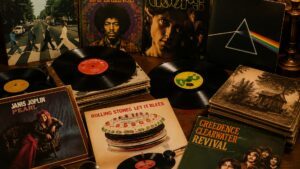
If you’ve stumbled onto a box of old vinyl in your attic or inherited a collection from a relative, you’re probably wondering whether those dusty albums are worth anything. The honest answer is: some of them might be worth quite a lot, and others might be worth next to nothing. The difference often comes down to a handful of specific details that most people don’t know to check.
The 1960s and 1970s are often considered the golden age of vinyl. Some of the most influential music ever recorded was pressed during those two decades, and certain pressings from that era have become genuinely valuable collector’s items. Here’s how to start making sense of what you might have.
Why Decade Matters When Valuing Vinyl
Not all old records are valuable just because they’re old. Age alone doesn’t create collector demand. What actually drives value is a combination of rarity, condition, the specific pressing, and whether there’s an active market of people who want that record badly enough to pay for it.
That said, the 60s and 70s are a sweet spot. Records from this period were made before digital recording changed the sound of music, and many of them were pressed in relatively small quantities compared to the mass-market albums that followed in the 80s and 90s. Original pressings from this era, particularly in good condition, regularly command serious money.
Genres That Tend to Produce Valuable Records
Jazz
Jazz is one of the most lucrative areas in vinyl collecting. Original Blue Note pressings from the late 1950s through the mid-1960s are among the most sought-after records in existence. Artists like Miles Davis, John Coltrane, Thelonious Monk, and Lee Morgan appear on pressings that regularly sell for hundreds or even thousands of dollars.
These records are so valuable because they combine musical importance with genuine scarcity. Blue Note Records had relatively small print runs, and original pressings from their classic period are identifiable by specific label characteristics and matrix numbers. If you have what appears to be an early Blue Note, Prestige, or Impulse! Records pressing, it’s worth getting a proper evaluation.
Rock and Psychedelic Rock
The British Invasion and the psychedelic rock explosion of the late 60s produced some of the most collectible rock albums ever made. First pressings of Beatles albums on the Parlophone label, early Rolling Stones releases, and original Pink Floyd pressings can be worth significant sums in the right condition.
American psychedelic and garage rock from this period is also highly collectible. Regional pressings from small labels, promotional copies marked “Not for Sale,” and records from bands that never broke nationally but developed cult followings are all worth examining carefully.
Soul, Funk, and R&B
Northern Soul is its own universe of collector obsession, with certain 45s selling for thousands of dollars to dedicated collectors in the UK and beyond. Original Motown, Stax, and Atlantic pressings from the 60s and early 70s are consistently in demand, and obscure soul 45s on regional labels can surprise you with their value.
Funk records from the early 70s, particularly on smaller independent labels, have developed a strong collector base driven partly by hip-hop sampling culture. Artists like James Brown, Parliament-Funkadelic, and lesser-known acts on labels like People Records or Mankind are worth a second look.
Blues
Original blues pressings on Chess, Checker, and Vee-Jay Records from the 60s are important both musically and as collector’s items. Artists like Muddy Waters, Howlin’ Wolf, and Buddy Guy appear on early pressings that are difficult to find in good condition and correspondingly valuable when they do surface.
What Actually Makes a Record Valuable
Knowing the artist or genre is only the starting point. The factors that determine vinyl value go much deeper than the name on the label.
- Pressing generation matters enormously. An original first pressing of a classic album is typically worth far more than a reissue from five years later, even if the music is identical. The matrix number, stamped or etched into the run-out groove of the record, helps identify which pressing you have.
- Condition is perhaps the most decisive factor of all. A record with heavy surface noise, deep scratches, or a damaged label loses most of its collector value. The cover matters too. A pristine original cover with a seam-split sleeve is worth less than a cover in near-mint condition, and some albums have become rare specifically because the covers were notoriously fragile.
- Label variations can make a dramatic difference. On a Beatles pressing, for example, the difference between a black and yellow Parlophone label and a later Apple label version can mean hundreds of dollars. Collectors and dealers know these details by heart. Most casual sellers don’t, which is why a knowledgeable buyer matters.
Records to Look for Specifically
While this is far from a complete list, certain names and labels consistently appear at the higher end of the market:
- Miles Davis – Kind of Blue, Bitches Brew, and early Columbia pressings
- The Beatles – Original UK Parlophone and early US Capitol pressings
- Led Zeppelin – Early Atlantic pressings with specific label variants
- John Coltrane – Blue Note and Impulse! originals
- The Velvet Underground – First pressings, especially with the peelable banana cover
- Jimi Hendrix – Original Track Records (UK) and Reprise pressings
- Grateful Dead – Early Warner Bros. pressings
- Sly and the Family Stone – Original Epic pressings from the late 60s and early 70s
If you see any of these artists in a collection, it’s worth slowing down and taking a closer look before assuming they’re ordinary.
The Condition Problem
One of the most common mistakes people make when trying to value their records at home is overestimating condition. What looks like a clean, well-kept record to an untrained eye might grade as VG or even VG- to an experienced collector, and that drop in grade can cut the value by more than half.
This is why it helps to have someone who knows vinyl look at your collection in person rather than trying to price everything yourself based on online listings, especially if you plan to sell records. Online prices reflect what people are asking, not always what records actually sell for.
Getting a Fair Assessment
If you’ve gone through a collection and think you might have something valuable, the next step is finding a buyer who knows the material and will give you a straight answer. Cash For Records has been evaluating and buying vinyl collections since 2001, and founder Paul Robinson will travel directly to you across Ohio and much of the East Coast to assess what you have in person. You can reach the team at 216-315-8216 to set up an evaluation.
How to Spot Valuable Records from the 60s and 70s
Records from the 1960s and 70s can be worth anywhere from a dollar to several thousand dollars, and the difference often comes down to details most people overlook. Genre, pressing generation, label variation, and condition all play a role. Jazz, blues, soul, and classic rock from this era are the most consistently valuable, but there are surprises in almost every genre.
If you’re sitting on a collection and want to know what you actually have, start by learning to identify rare vinyl records – it’s one of the most useful things you can do before selling anything. And when you’re ready to turn those records into cash, working with someone who knows the material and pays fairly is the best move you can make.