

How To Identify Rare Vinyl Records Like A Pro Collector
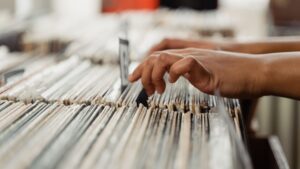
So you’ve stumbled onto a stack of old records in a closet, inherited a collection, or maybe you’ve just started getting serious about vinyl collecting. Now you’re wondering: are any of these actually worth something?
The good news is that identifying valuable vinyl records is a skill anyone can learn. It takes a little patience, some basic research tools, and knowing what to look for. This guide breaks it all down for you.
Why Some Vinyl Records Are Worth So Much
Before diving into the how, it helps to understand the why. A record is valuable based on several factors, rarity, condition, artist, and demand all play a role.
Artists like The Beatles, Elvis Presley, and Pink Floyd have some of the most sought-after pressings in the hobby. A first pressing of Pink Floyd’s The Dark Side of the Moon or The Wall can fetch hundreds or even thousands of dollars depending on condition. That’s not an accident.
It comes down to history, limited supply, and audiophile demand.
Understanding what makes a vinyl record valuable is the first step before you try to identify what you have.
What Makes a Record Considered Rare
Not every old record is a hidden gem, and that’s a common misconception worth clearing up.
Many records were pressed in massive quantities and are still easy to find today. Rarity comes from a specific combination of circumstances.
A record might be considered rare because it was pressed in smaller quantities, was released only in certain markets, or was pulled from shelves after release. Promo copies, test pressings, and acetate disc versions are also highly collectible. Record companies sometimes made limited runs for radio broadcasting purposes, and those versions are often worth significantly more than standard releases.
How To Identify the Pressing
This is where things get interesting. Not all copies of the same album are equal. First pressings, the original records pressed when an album was first released, are generally more valuable than later reissue copies.
To identify the pressing, you need to check a few things.
The Label
Look at the center label closely. Original pressing labels often look different from later versions.
Record companies changed their label designs over the years, so a different color or logo can help you tell the difference between an original pressing and a reissue.
The Catalog Number
The catalog number printed on the label and sleeve is one of the most useful identifying marks on any vinyl record. It tells you where and when records are pressed, which country they came from, and which edition you have. Cross-reference this number on platforms like Discogs to find your exact pressing.
The Matrix or Etch
Flip the record over and look at the dead wax – that’s the blank area between the last groove and the label. You’ll often find hand-etched or stamped numbers and letters there. This etch information is critical for collectors to identify the exact pressing, and it can tell you whether a record is an original or a reissue.
You can learn more about this in detail by reading how to tell if a record is a first pressing and how to tell if vinyl is original or a reissue.
Mono vs. Stereo
Early albums were often released in both monaural sound and stereophonic sound versions.
For many classic jazz and rock albums from the 1950s and 1960s, the mono version is actually more valuable than the stereo. Experienced collectors know this distinction well, so don’t overlook it.
How To Research the Value of Your Records
Once you’ve identified what you have, it’s time to find the value. The most reliable tool for this is Discogs.
Using Discogs Online
Discogs is a massive database where sellers list vinyl for sale and vinyl record buyers track completed purchases. You can search by catalog number, artist, or album title to find your specific pressing. Once you find it, look at the “Last Sold” prices rather than just what sellers list for sale, as that reflects the actual current market value.
Platforms like Discogs also let you track market trends over time. If specific records are increasing in value, you’ll be able to see that data in the pricing information history.
Other Resources
eBay is another useful tool for checking auction results. Search for your record and filter by “Sold Listings” to see what buyers actually paid. A vinyl records price guide or record price guide can also provide valuable context, though Discogs is generally the most up-to-date resource for the current record market.
Condition: The Factor That Changes Everything
Identifying a rare record in your collection is exciting, but the condition of a record is what ultimately determines its price. A mint condition copy of a valuable vintage record is worth significantly more than a damaged one.
Look for signs of wear carefully. Records with scratches, a warp, or heavy dust damage lose value fast. Even a small scratch can make a meaningful difference in price. On the flip side, a record in good condition with its original sleeve and insert – especially a collector’s item – can be worth considerably more.
Our vinyl record grading guide walks through the standard grading system used by vinyl collectors and dealers. If you’re serious about buying or selling, knowing how to grade accurately is essential. You can also dive deeper into how to grade a vinyl record like a pro and avoid costly mistakes.
Where To Find Rare Vinyl
If you’re building a record collection rather than selling one, knowing where to find rare vinyl matters just as much as identifying it. Record fairs are some of the best places to dig for hidden gems, often drawing dealers who specialize in specific genres or eras.
A local record store is another great starting point. Store owners often have deep knowledge about what they carry, and you can sometimes find original pressings mixed in with everyday stock. Estate sales and thrift shops are also worth visiting regularly.
Finding rare vinyl records takes time, but that’s part of what makes record collecting so rewarding. The thrill of finding a rare record in a dollar bin is something no online marketplace can replicate.
Keep Records of What You Have
As your record albums collection grows, it helps to track what you own. A simple spreadsheet works well for logging catalog numbers, pressing details, and condition notes. This makes it easier when you decide to sell or when you want to understand the value of your records across your full collection.
Collectors and enthusiasts who buy and sell vinyl records regularly will tell you that documentation is one of the most underrated parts of the hobby.
Conclusion
Identifying rare vinyl records comes down to knowing what to look for, labels, catalog numbers, matrix etchings, and condition. With tools like Discogs and a basic understanding of different pressings, you can start identifying marks that separate an ordinary record from something truly special. If you’ve uncovered a collection and want an honest evaluation, Cash For Records has been helping people in Cleveland and beyond turn their vinyl into cash since 2001. Call 216-315-8216 or visit cashforrecords.com to get started.