

How to Restore Old Vinyl Audio Recordings and Bring Your Classics Back to Life
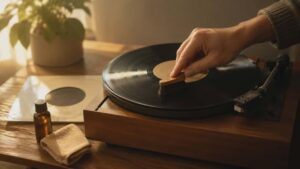
There is something undeniably satisfying about dropping a needle on a vinyl record and hearing music the way it was meant to sound. But if your old records have been sitting in a basement, attic, or estate box for years, they may not sound quite right anymore. Pops, crackles, warping, and dust buildup can turn a beloved album into a frustrating listening experience.
The good news is that many old vinyl audio recordings can be restored to near-original condition with the right approach. Whether you are a lifelong collector or just rediscovering a family member’s collection, this guide will walk you through practical, proven steps to bring your classics back to life.
Why Old Vinyl Records Degrade Over Time
Vinyl is a surprisingly durable material, but it is not indestructible. Records stored in improper conditions can develop problems that affect both sound quality and physical condition.
Common causes of degradation include exposure to heat, which can cause warping, and humidity, which can lead to mold growth. Dust and debris ground into the grooves during playback cause permanent damage over time. Even fingerprints leave behind oils that attract more dirt and alter sound reproduction.
Understanding what caused the damage helps you choose the right restoration method.
How to Clean Vinyl Records the Right Way
How to clean vinyl records is one of the most impactful things you can do to restore old vinyl audio recordings. Most surface noise actually comes from dirt sitting in the grooves, not from damage to the vinyl itself.
Dry Brushing as a First Step
Before playing any record, use a carbon fiber anti-static brush to sweep away loose dust. Move the brush in the direction of the grooves, not against them. This simple step prevents you from grinding surface debris deeper into the record during playback.
Wet Cleaning for Deeper Results
For records with visible grime or heavy static, a wet cleaning method works far better than dry brushing alone. You can use a purpose-built record cleaning solution or mix distilled water with a small amount of isopropyl alcohol (91% or higher). Apply the solution gently with a microfiber cloth, working in circular motions that follow the grooves, then wipe dry with a clean cloth.
Avoid tap water. The minerals in tap water leave deposits behind that can worsen sound quality over time.
Record Cleaning Machines
If you have a large collection to restore, investing in a record cleaning machine is worth considering. These devices use suction to pull dirt and cleaning fluid directly out of the grooves, delivering results that manual cleaning simply cannot match. Entry-level models are available for a few hundred dollars, and the improvement in sound quality is often dramatic.
Dealing With Warped Vinyl Records
Warping is one of the more frustrating problems you will encounter when restoring old vinyl. A warped record causes the needle to skip, produce distorted audio, or fail to track properly.
Mild warping can sometimes be corrected by placing the record between two flat, heavy objects, such as thick glass panels or large hardcover books, in a warm room for several days. The gentle pressure and heat can flatten minor warps over time.
Severe warping is harder to fix, and in some cases the damage is permanent. If a record is badly warped, it may be more practical to replace it than to attempt a risky DIY heat treatment, which can easily cause further damage if not done carefully.
Digitizing Your Vinyl Collection
Once your records are clean and playable, many collectors choose to digitize them as a way to preserve the audio and make it more accessible. A USB turntable connected to a laptop allows you to record playback using free software like Audacity. From there, you can clean up the audio by reducing background noise and equalizing the sound.
This creates a digital backup of your collection that you can enjoy without the wear and tear of repeated physical playback. Every time a needle runs through a groove, it causes microscopic wear, so digitizing your favorites helps extend their lifespan.
Proper Storage to Prevent Future Damage
Restoration means very little if your records go back into the same poor storage conditions that damaged them in the first place.
Store records vertically, never stacked flat. Stacking puts uneven pressure on the vinyl and contributes to warping. Use inner sleeves made of polyethylene or rice paper rather than the original paper sleeves, which shed particles into the grooves. Keep your collection in a cool, dry space away from direct sunlight and fluctuating temperatures.
A little attention to storage goes a long way in protecting the value and sound quality of your collection for years to come.
When Restoration Is Not Worth the Effort
Some records are simply too far gone to be worth restoring. Deep scratches that cut across grooves cannot be fixed by cleaning. Mold that has etched into the surface leaves permanent scarring. Records with severe chemical damage or pressing defects are unlikely to sound good no matter how much work you put in.
If you have inherited or discovered a collection and are not sure which records are worth saving and which are not, getting a professional evaluation can save you a lot of time and guesswork.
Conclusion
Restoring old vinyl audio recordings takes patience, but the results are genuinely rewarding.
Clean your records properly, store them correctly, and you will be amazed at how much life you can bring back to even decades-old albums. If you find that some records in your collection are beyond saving – or simply not something you want to keep – Cash For Records has been helping collectors turn quality vinyl into cash since 2001. Give us a call at 216-315-8216 and find out what your collection could be worth today.