

How to Clean Vintage 78 Records Without Damaging Their Sound
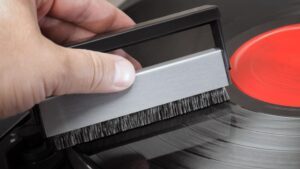
If you’ve ever held a shellac 78 rpm record and wondered whether cleaning it might destroy whatever sound is left, you’re not alone. These fragile, heavy discs are nothing like a modern LP record. They require a gentler touch, a bit of patience, and the right approach to bring them back to life without making things worse.
Whether you inherited a stack of old phonograph records from a grandparent or stumbled across a collection at an estate sale, knowing how to clean them properly can mean the difference between music and noise.
Why 78s Are Different From Other Records
A vintage 78 rpm record is not made from vinyl. Most were pressed from shellac, a brittle material that is far more sensitive to heat, harsh chemicals, and rough handling than a standard LP record. Shellac records also carry more surface dust and grime simply due to their age and texture.
Collectors and historians like Joe Bussard, one of the most well-known 78 rpm record collectors in the country, have spent decades preserving these discs precisely because they are so easy to damage. The grooves on a shellac phonograph record are wider and deeper than modern vinyl, which means debris gets packed in more easily and can seriously affect playback.
The Basic Supplies You Need
You do not need expensive equipment to clean a 78 properly. In most cases, a few simple items will do the job.
- Distilled water – tap water contains minerals that can leave residue behind, so distilled water is the better choice
- A small amount of dishwashing liquid – just a drop or two, nothing harsh
- A soft brush – a carbon fiber or velvet record cleaning brush works well, or even a soft-bristled paintbrush
- Lint-free cloths – microfiber is ideal
- A clean, flat surface to work on
Avoid any cleaning products that contain alcohol unless they are specifically formulated for shellac records. Alcohol can break down the shellac surface and permanently damage the grooves.
Step-by-Step: How to Clean a 78 rpm Record
Step 1: Remove Loose Dust First
Before introducing any water or soap, gently brush off loose dust with a dry brush. Dust sitting on the surface of a phonograph record can turn into a muddy paste the moment you add liquid, which makes the cleaning process harder and riskier.
Step 2: Mix a Gentle Cleaning Solution
In a small bowl, mix a few drops of dishwashing liquid into about a cup of distilled water. You want just enough soap to break down grease and grime without creating excessive suds. Less is more here.
Step 3: Gently Clean the Grooves
Dip your brush lightly into the solution and work it gently across the record’s surface in a circular motion, following the direction of the grooves. Do not scrub. The goal is to lift debris out of the grooves, not grind it in deeper.
Adrienne Reiko Iwanaga, a preservation specialist whose work has contributed to discussions on archival audio care, has emphasized that mechanical force is one of the leading causes of irreversible groove damage in vintage shellac records. Let the solution do the work.
Step 4: Rinse With Distilled Water
Once you have cleaned the surface, rinse thoroughly using distilled water. You can pour a small amount over the record while holding it at an angle, or use a clean damp cloth to wipe away the soap. Make sure no soap residue remains, as it will dry inside the grooves and affect sound quality.
Step 5: Dry the Record Completely
Set the record upright on a clean, lint-free cloth or a drying rack. Let it air dry completely before playing it. Never use heat to speed up the drying process. Shellac warps easily and a hairdryer or warm surface can destroy a record in seconds.
What About Ultrasound Cleaning?
If you have a larger collection or are dealing with particularly dirty records, ultrasound cleaning machines offer a deeper clean without mechanical contact. These devices use ultrasound in a water bath to dislodge debris from the grooves at a microscopic level.
Communities like the Fedora Lounge, an online forum popular with vintage lifestyle enthusiasts and collectors, have discussed ultrasound cleaning as one of the most effective methods available for delicate shellac records. It is, however, an investment and not necessary for casual collectors.
Rare Formats: Edison Disc Records
If you come across an Edison disc record, take extra care. These were produced by Edison Records and are made from a different material than standard shellac, often a condensite compound. They are also played from the center outward rather than from the outside in, and require a special phonograph stylus.
The cleaning principles are similar, but the material differences mean you should research the specific format before introducing any liquid. Edward Poullard, a respected figure in the vintage audio community, has written about the unique challenges of preserving Edison-era formats, noting that improper handling is responsible for the loss of many irreplaceable recordings.
When Cleaning Is Not Enough
Sometimes a record is simply too far gone for home cleaning to make a meaningful difference.
Deep scratches, pressing defects, or severe mold growth may be beyond DIY repair.
If you have a collection of 78s and are unsure of their value or condition, it may be worth having them evaluated by someone who knows the format well.
How to Clean Vintage 78 Records Safely
Cleaning vintage 78 records takes care, the right supplies, and a little patience. Start with distilled water and a soft brush, avoid harsh chemicals, and never rush the drying process. If your collection has grown beyond your ability to manage or you are simply ready to part with it, Cash For Records has been buying quality vinyl and shellac collections since 2001. Call 216-315-8216 to get an honest evaluation and a fair cash offer for what you have.