

78 RPM Records Price Guide: How to Value Rare Shellac Records Today
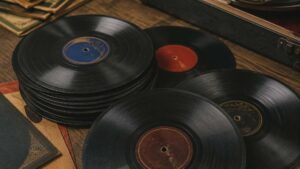
If you stumbled across a stack of old shellac discs in your basement or inherited a collection from a relative, you might be sitting on something worth real money. The question is: how do you know what you actually have?
This guide walks you through everything you need to find the value of 78 RPM records, from understanding what makes them desirable to knowing where to sell them.
What Are 78 RPM Records?
A phonograph record spinning at 78 revolutions per minute was the dominant pre-recorded music format for much of the early 20th century. These discs were made from shellac, a brittle material, and typically held one song per side.
Music 78 RPM records were everywhere from the 1900s through the early 1950s, covering jazz, blues, big band, classical, and popular genres. When vinyl arrived, most people tossed their 78s without a second thought. That’s why surviving copies in good condition attract serious collectors.
How to Find the Value of a 78 RPM Record
Not every old record is valuable. The market for 78 RPM records is nuanced, and a few key factors determine whether your item is a treasure or just background noise.
Check the Label and Artist
The label tells you a lot. Early pressings on labels like Paramount, Gennett, or OKeh – especially in blues or jazz – can fetch hundreds or even thousands of dollars. An Elvis Presley recording on Sun Records, for example, is in a completely different category than a mass-produced classical release from a major distributor.
Condition Is Everything
A record that looks and plays like new will always command a premium. Chips, cracks, and deep scratches kill value fast. Before you try to sell anything, read up on how record condition affects resale value to understand how grading works and what buyers expect.
Research the Current Market
To get a current read on what similar records are selling for, check completed sales on eBay, browse Discogs, or look at ValueYourMusic for historical data. An auction result tells you what someone actually paid – not just what a seller hoped to get. That detail matters.
Where to Get a Free Review
You don’t need to spend money to get a ballpark in your collection. Several online resources let you search by artist, label, and pressing to review comparable sales. For a more thorough breakdown of what makes a vinyl record valuable, these resources will help you think through factors beyond just the artist’s name.
If you want expert eyes on your collection without the guesswork, a professional buyer can give you a no-obligation offer. Platforms like Amazon Kindle offer books and price guides focused on 78s if you want to go deeper into research.
What Genres and Artists Tend to Top the List
Blues and jazz records from the 1920s and 1930s consistently sit at the top of the market. Big band recordings from popular orchestras, early country and folk pressings, and rare gospel discs all have dedicated collector communities willing to pay real money.
Common classical releases or generic pop recordings from large labels are usually worth very little – but don’t assume anything until you check.
Using a Vinyl Record Grading Guide
Before you sell, understanding how your records are graded will protect you from underselling or misrepresenting your items. A proper vinyl record grading guide breaks down the condition scale, so you know exactly what grade to assign each disc.
If you’ve recently inherited a large collection, learn what to do before making any decisions.
Ready to Sell?
Once you know what you have, the next step is finding a buyer who will pay a fair price without the hassle of listings, shipping, or waiting. Cash For Records has been buying collections since 2001, and the team knows 78s alongside vinyl. If you’re ready to turn your records into cash, you can sell your vinyl records for cash directly to a buyer who understands their history and worth.
Conclusion
Valuing 78 RPM records takes a little research, but it’s worth the effort. Start by checking the artist, label, and condition of each item. Use online sales data and a current market resource like Discogs to get a realistic number. If the process feels overwhelming, Cash For Records offers honest, experienced evaluations with no pressure. Whether you have one standout piece or a full collection, getting the right advice before you sell can make a significant difference in what you walk away with. Reach out today.