

Who Buys Old Vinyl Records? Here’s Where to Sell Them
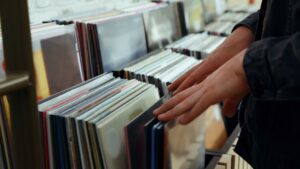
So you’ve stumbled across a stack of old records. Maybe they were tucked away in the attic, left behind by a family member, or discovered at the back of a closet you forgot existed. Now you’re wondering: who actually buys old vinyl records, and how do you turn old records into real money?
You’re not alone. Millions of people find themselves sitting on vinyl collections they don’t know what to do with. The good news is that demand for phonograph records has never been stronger, and there are more ways than ever to sell them. The tricky part is figuring out which option actually makes sense for your situation.
If you want a simpler option than listing every record online, Cash For Records buys old vinyl collections directly and can evaluate LPs, 45s, 78s, and 12-inch singles for a cash offer.
Let’s break it down.
Why Old Vinyl Records Are Worth More Than You Think
Vinyl has made a massive comeback. What was once considered outdated technology is now one of the fastest-growing segments in the music industry. Collectors, DJs, and music lovers are actively searching for records in good condition, and they’re willing to pay high prices for the right albums.
A rare pressing of a classic record – think something by The Beatles, Miles Davis, or a limited-run punk release – can fetch hundreds or even thousands of dollars depending on condition and rarity. Even more common albums can carry surprising value when they’re in solid shape.
Before you sell anything, it helps to get a general sense of what your records are worth. Sites like Discogs and Popsike.com are excellent free resources for checking recent sale prices on specific pressings. Discogs shows you current marketplace listings, while Popsike.com tracks completed auction sales, giving you a realistic picture of what buyers have actually paid.
Who Actually Buys Old Vinyl Records?
There are several types of buyers out there, each with their own process, timeline, and payout structure. Here’s a look at who’s in the market.
Individual Collectors
Serious collectors are often the most motivated buyers. They know exactly what they want, they understand value, and they’re willing to pay fair prices for quality stock. You can reach them through platforms like Discogs, Facebook Marketplace, or collector forums.
The downside is that selling to individual collectors takes time. You’ll need to list each record, photograph it, handle inquiries, package items, and ship them out. If you have a large collection, this can take weeks or months.
Online Marketplaces and Auction Sites
eBay remains one of the most popular platforms for selling vinyl. The auction format can work in your favor if you have rare or in-demand pressings, since competitive bidding can push the final price above what you might expect. The twelve-inch single format in particular tends to perform well with collectors bidding online.
That said, eBay and similar platforms come with fees, and you’ll be responsible for shipping and handling. For large collections, the logistics can get overwhelming quickly.
Facebook Marketplace is another option, especially for local sales where you avoid shipping altogether. It works better for common albums than for high-value rarities, but it can move inventory fast if you price things reasonably.
Local Record Shops
Local record shops have long been a go-to option for people who want to sell used vinyl records quickly. They buy used stock regularly and often have knowledgeable staff who can identify valuable pressings on the spot.
The tradeoff is that shops buy at wholesale prices. They need to resell at a profit, so they’ll typically offer you less than what the record is worth on the open market. If speed and simplicity matter more than squeezing out every dollar, a shop can be a solid option.
Vinyl Record Collector Clubs and DJ Communities
Vinyl record collector club groups and DJ communities are active buyers, particularly for certain genres. DJ records – including soul, funk, hip-hop breaks, and electronic dance music – have a dedicated buyer base willing to pay premium prices for the right pressings.
If your collection leans toward genres popular with DJs, you might have more leverage than you realize. Reaching out directly to these communities can connect you with buyers who know exactly what they’re looking at.
Garage Sales – What to Avoid
Selling vinyl at a garage sale might feel like an easy solution, but it’s usually the worst financial decision you can make. Most garage sale shoppers aren’t collectors. They’ll offer a dollar or two for records worth ten or twenty times that amount.
Unless you genuinely don’t care about the money, skip the garage sale for your vinyl.
The Fastest Way to Sell: Professional Record Buyers
If you want to skip the hassle of listing, shipping, negotiating, and waiting, a professional record-buying service is often the most practical choice. Companies like Cash For Records specialize in evaluating and purchasing collections directly from sellers.
Founded in 2001 by Paul Robinson, Cash For Records is a Cleveland, Ohio-based family business with over two decades of experience buying vinyl. They travel directly to sellers, assess the collection on-site, and make a cash offer the same day. No credit arrangements, no consignment, no waiting around for a buyer to show up.
This kind of service is especially valuable when you’ve inherited a large estate collection or don’t have the time to list and sell your collection. Instead of spending weeks on Discogs or eBay, you get a straightforward transaction and walk away with cash in hand.
What Types of Records Do Professional Buyers Want?
Cash For Records focuses on genres where collector demand is consistently high. Jazz, blues, soul, R&B, rock, punk, and metal are all strong categories. Individual pressings by artists like
The Beatles, John Coltrane, and other legends tend to generate the most interest, but even less famous artists can carry value depending on the label, pressing, and condition.
They work with LPs, 45s, 78s, and twelve-inch singles. Whether you have a handful of records or hundreds of boxes, it’s worth a conversation.
How to Know What Your Records Are Worth Before You Sell
You don’t need to be an expert to get a rough sense of value. Here are a few steps that help.
Start with Discogs. Search for your record by artist and album title, then look at the marketplace listings to see what similar copies are selling for. Pay attention to the pressing details – first pressings and original labels are usually worth significantly more than reissues.
Then check Popsike.com for completed auction sales. This tells you what buyers actually paid, which is more useful than asking prices alone.
If you’re unsure about condition grading or pressing details, don’t worry too much. A reputable buyer will walk you through the evaluation honestly. Cash For Records, for example, is known for transparent appraisals and fair offers based on actual market value, not lowball numbers designed to take advantage of sellers who don’t know what their records are worth.
Red Flags to Watch Out for When Selling Vinyl
Not every buyer operates with the same level of integrity. Here are a few things to be cautious about.
- Buyers who refuse to explain how they arrived at their offer price
- Shops or individuals who pressure you to accept immediately without giving you time to think
- Online platforms that charge high fees or hold your money in credit rather than releasing it as actual cash
- Anyone who dismisses the value of your collection without closely examining it
If a buyer rushes you, refuses to explain their offer, or dismisses your collection without looking closely, it is worth getting another opinion before selling. Get a second opinion if anything feels off.
Where to Sell Old Vinyl Records for the Best Result
Selling old vinyl records doesn’t have to be complicated. Whether you go the online route through eBay or Discogs, connect with local collectors, or work with a professional buyer, the key is knowing your options and choosing the one that fits your timeline and goals. If you want a fast, fair, and hassle-free experience, consider reaching out to Cash For Records to learn more about selling your collection. With over 20 years of experience and a reputation built on honest dealings, they’re a trusted resource for turning old records into real money.