

When Did Vinyl Records Become Popular? A Look at the Rise of Vinyl
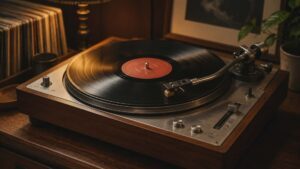
Vinyl records have made one of the most remarkable comebacks in the history of modern music. If you’ve noticed more record shops popping up, or spotted a turntable in a friend’s living room, you’re not imagining things. Vinyl is back, and it never really left for those who truly loved it.
But how did we get here? To understand the popularity of vinyl records today, it helps to trace the full arc of their history, from the earliest sound inventions to the thriving vinyl community we see right now.
The History of Vinyl Records: Where It All Began
From Cylinders to Discs
The history of vinyl records doesn’t start with vinyl at all. It starts with a much older idea – capturing sound and playing it back. In 1857, Édouard-Léon Scott de Martinville invented the phonautograph, a device that could record sound waves onto paper but couldn’t play them back.
It was a fascinating first step.
Then came Thomas Edison, who introduced the phonograph in 1877. His invention used wax cylinders to record and reproduce sound. People were amazed. The idea that you could capture a voice or a melody and replay it felt almost magical at the time.
But the real turning point came from Emile Berliner. In the late 1880s, Berliner invented the gramophone, which used a flat disc instead of a cylinder. He also created the graphophone concept that would eventually influence how record companies would make records at scale.
The phonograph record, as we know it, was starting to take shape.
The Era of Shellac Records
Before vinyl came into the picture, the standard material for records was shellac. Shellac records, also called 78 rpm records, were the dominant format from the early 1900s through the late 1940s. They were brittle, heavy, and could only hold a few minutes of music on each side.
The 78 rpm format worked well enough, but it had clear limitations. Record players of that era could only play these fragile discs, and the listening experience was far from ideal by modern standards.
The Birth of the Modern Vinyl Record
Polyvinyl Chloride Changes Everything
The real shift happened when manufacturers began experimenting with polyvinyl chloride as the primary material to make records. Vinyl is made from polyvinyl chloride (PVC) – a durable, flexible plastic that produces less surface noise and can hold longer recordings than shellac.
In 1948, Columbia Records introduced the 12-inch LP record, spinning at 33 1/3 revolutions per minute. The LP, short for long-playing record, was a game-changer. Suddenly, an album on vinyl could hold a full 20 to 25 minutes of music per side. Artists and record companies had a new creative canvas.
Shortly after, RCA Victor introduced the 7-inch single at 45 rpm. These vinyl singles were affordable, portable, and perfect for radio play. Between the LP and the 45, vinyl had firmly established itself as the dominant format for popular music.
The 1950s and 1960s: Vinyl’s Golden Age
The 1950s were a defining decade for both records and record players. Rock and roll exploded onto the scene, and vinyl was the format that carried it. Record stores became cultural gathering spots. Buying a new record was an event, not just a transaction.
By the 1960s, vinyl album releases were driving cultural conversations. The Beatles, The Rolling Stones, Aretha Franklin, Miles Davis – these artists weren’t just making music. They were creating artifacts. The album on vinyl format encouraged listeners to engage with music as a complete artistic statement, from the track listing to the cover art.
Stereophonic sound also became widely available during this era, giving listeners a richer, more immersive experience. If you’re curious about how early pressing decisions affected sound, understanding the difference between mono and stereo vinyl can reveal a lot about why certain pressings are so sought after today.
The 1970s: Peak Vinyl
The 1970s represented peak vinyl sales in terms of sheer volume. Rock music, soul, funk, and disco all thrived on the format. Independent record labels were constantly launching. Record shops were everywhere, and vinyl culture was woven into everyday life.
This was also the decade when the 12-inch single became popular in dance music communities. DJs were discovering that the larger disc allowed for extended mixes and better sound quality at high volumes. The turntable was becoming an instrument in its own right.
When Did Vinyl Start to Decline?
The Cassette Tape and the Walkman Era
The first serious competition for vinyl came from the cassette tape. Portable and affordable, cassettes gave music fans something vinyl couldn’t – mobility. When Sony introduced the Walkman in 1979, it changed how people listened to music entirely. The cassette tape wasn’t just a format. It was a lifestyle shift.
Before that, the 8-track cartridge had already started pulling listeners away from the home listening experience. But cassettes were the format that truly dented vinyl sales in the late 1970s and into the 1980s.
CDs and the Digital Takeover
The real blow came in the 1980s with the compact disc. Sony and Philips, with contributions from Lou Ottens (who also helped develop the cassette), introduced the CD to consumers in 1982. By the late 1980s, CDs had largely overtaken vinyl in mainstream retail.
Record stores began shrinking their vinyl sections. Annual sales of vinyl records dropped sharply. By the early 1990s, vinyl had declined in popularity to the point where many assumed it was finished as a mainstream format.
CD sales peaked through the 1990s, and then streaming media began its own disruption in the 2000s. Suddenly, people could stream millions of songs without owning any physical music at all.
The Vinyl Comeback: How Did It Happen?
Record Store Day and the Revival of Vinyl Records
Few events have had more of an impact on the vinyl revival than Record Store Day. Launched in 2008, Record Store Day was designed to celebrate independent record stores and encourage music lovers to shop locally. Each year, artists release exclusive vinyl pressings, limited editions, and special packages available only through participating shops.
Events like Record Store Day and classic album reissues gave collectors a renewed reason to hunt and helped create energy around physical music that streaming couldn’t replicate. The resurgence of vinyl records picked up serious momentum through these annual events.
Popular Artists Driving Vinyl Sales
It’s worth noting that popular artists releasing albums on vinyl have played a significant role in driving vinyl sales back into the mainstream. When Adele released 25 and 30 on vinyl, demand surged. Taylor Swift’s vinyl releases regularly sell out. These aren’t just novelty purchases – they reflect genuine enthusiasm for the format.
The resurgence wasn’t just nostalgia, either. Younger listeners who had never owned a turntable were buying vinyl for the first time. A new vinyl record had become a statement – about taste, intentionality, and a desire for something more tangible than a playlist.
The Numbers Behind the Vinyl Resurgence
The Recording Industry Association of America reported that vinyl record sales had surpassed CD sales for the first time since 1987 – a milestone confirming the vinyl comeback was real and sustained. Vinyl sales growth has continued for the sixteenth consecutive year, making it one of the most remarkable stories in the modern music industry.
Vinyl provides something that streaming can’t fully replicate – a ritual. Playing a record requires you to be present. You choose the album, place the needle, and listen. That listening experience is fundamentally different from tapping a screen.
It’s also worth noting that records sound better to many audiophiles because of the warm, analog sound quality that vinyl listening produces. The physical groove on the disc captures sound in a way that many music fans find more emotionally resonant than digital compression.
Collecting Vinyl: Why People Still Love It
What Makes a Record Worth Keeping
Record collecting is both a hobby and, for many people, a serious passion. Collectors know that not all vinyl is created equal. First pressings from original record companies often sound better and carry far more value than later reissues. Knowing the difference between original and first pressings is essential for anyone serious about building a collection.
Condition matters too. A scratched or warped disc can ruin the listening experience, while a well-preserved album on vinyl can be worth significant money. If you want to understand what makes a vinyl record valuable, it comes down to a combination of pressing history, condition, rarity, and demand.
For those who have inherited a collection or found records in storage, knowing how to tell if a vinyl record is original or a reissue can make a meaningful difference in understanding what you actually have.
The Role of Independent Record Stores
Independent record stores remain the heartbeat of vinyl culture. These shops don’t just sell music – they create community. Knowledgeable staff, listening stations, and curated selections make a visit to a record shop feel nothing like online vinyl browsing.
Independent record stores have been central to the vinyl resurgence, and events like Record
Store Day continues to bring new vinyl fans through the door each year. If you’re new to collecting vinyl, your local record shop is the best place to start.
New Vinyl and the Modern Landscape
New vinyl record releases from both major labels and independent record labels have exploded in recent years. From jazz reissues to new vinyl drops from contemporary pop and rock artists, the format is healthier than it has been in decades.
The vinyl format has also attracted a new generation of music lovers who see records and record players as a meaningful alternative to purely digital listening. Records offer a tangible connection to music – an object with weight, art, and history built into it.
If you’re based in Cleveland or anywhere in Ohio and curious about what your collection might be worth, it’s worth exploring the value of vintage vinyl records in Ohio before making any decisions about selling.
The Legacy of Vinyl: More Than a Format
The legacy of vinyl records is about more than just music playback technology. It’s about culture, art, emotion, and the human desire to own something real. Vinyl began as a revolutionary improvement over shellac, grew into the dominant format for popular music across decades, faced near extinction in the digital age, and then came roaring back in ways nobody predicted.
The history of the vinyl record is also a story about what music fans are willing to fight to preserve. When streaming made everything instantly available, people didn’t abandon physical music. Instead, record sales data showed a clear and sustained renaissance – proof that music on vinyl holds a unique place in our lives.
Conclusion
Vinyl records went from Edison’s early phonograph experiments to becoming the soundtrack of the twentieth century – and then somehow managed to outlast the formats that tried to replace them. Whether you’re a lifelong record collector or someone just discovering the format, vinyl has a story worth understanding.
If you have records you’re looking to sell, Cash For Records has been helping collectors in Cleveland and across Ohio find fair value for their collections since 2001. Reach out and let us take a look at what you have.