
First Pressing vs. Reissue in Jacksonville
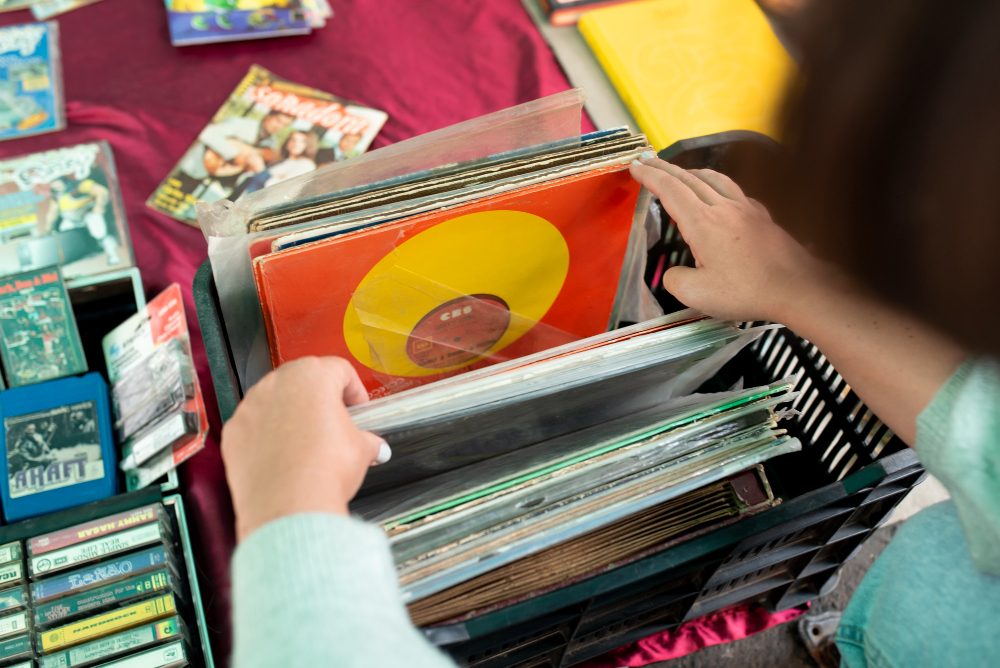
An album’s earliest pressing comes from its earliest production run, made when the record was new. A reissue is any later run of the same music, whether it arrived two years or forty years afterward. The label, the codes etched near the center of the disc and the jacket usually show which one you have. Our team at Cash For Records answers this question on in home record buying visits from our base in Jacksonville Beach, FL.
Paul Robinson has bought records since 2001, and pressing is one of six things he weighs before we sell your vinyl collection for cash becomes a firm number. The others are artist, genre, rarity, current demand and condition. Each clue below can be checked at home under a bright lamp.
What Separates the Earliest Pressing From a Reissue?
Every album starts as a master recording. The pressing plant makes metal stampers from it to press the discs, and the earliest batch becomes the pressing collectors chase. A looser term, original pressing, covers any copy made during the album’s original release period. That includes later runs from the same years with small label or jacket changes.
A reissue comes after that window. Labels bring titles back when demand holds up or the rights change hands. Many reissues sound excellent, and some are cut from the original tapes. Collectors still tend to pay less for them, because they are buying the object and its history as much as the music.
How Can You Tell Which Pressing You Have?
Read what is printed and etched on the record, then move to the jacket. No single clue settles it, so we weigh them together.
- Runout groove: the smooth band between the last song and the label, also called the dead wax. Etched or stamped letters and numbers there identify the master and the stamper.
- Label design: record companies changed logos, colors and printed addresses over the years, so a label style introduced after the release date points to a reissue.
- Jacket clues: a barcode on an album released before barcodes existed, a newer copyright line, or a “remastered” sticker marks a later copy.
- Weight: heavy 180 gram vinyl is common on modern reissues, though some early pressings were heavy too.
Matching those runout codes to a known production run takes some practice. A guide to reading vinyl matrix numbers walks through how the codes are laid out. Where the label and jacket disagree, the codes on the disc usually carry more weight.
Why Counterfeits Complicate the Picture
Desirable titles have been copied with convincing labels and jackets, and some counterfeits are good enough to fool a casual look. A listing photo rarely shows the runout groove clearly, and that is where a fake often gives itself away.
That is why online sales history works as context rather than proof. Prices there mix different conditions, pressings and time periods, and only a hands on inspection can confirm what a specific copy is.
A rough count is enough.
Paul roughly what is on your shelves, and he will say whether a home visit fits an upcoming buying trip. A phone call has no minimum record count.
Is the Earliest Pressing Always Worth More?
It tarts with a phone call, not a shipment. Tell us roughly how many records you have, the main genres, and a general sense of condition. From there, we can usually tell whether the collection fits what we buy and whether an in-person visit makes sense.
Once we come out, we grade the collection on site, weigh artist, genre, pressing, rarity, and demand, and make a cash offer during that same visit if it’s a fit. There is no shipping, no listing records individually online, and no waiting days for a buyer to respond. We handle personal collections, estate collections, DJ collections, and radio station libraries the same way, whether it’s a few boxes or a much larger set. Paul Robinson has been doing this since 2001, and the business holds an A+ rating with the Better Business Bureau and a 5.0-star average across local Google reviews.
How Do We Check Pressings During a Home Visit?
Paul brings his own equipment, so a working turntable is not needed. He listens to each record for skips and surface noise, then studies it under strong light for scratches, warps and worn grooves. That same light lets him read the runout and the label, so the pressing check happens while the disc is already in his hands. Each jacket gets its own grade for ring wear, split seams, writing and water stains.
Our family run business is based in Jacksonville Beach, FL, and Paul makes these visits himself on planned buying trips. Once he has been through the collection, he explains which records drove his number. Accept it and you are paid at the visit, and Paul packs and carries what he buys. In our Google reviews, Albert M. wrote, “They took time to check out every record.”
Frequently Asked Questions
Does a reissue have any resale value?
Yes, many reissues sell. Value still rests on artist, genre, rarity, current demand and condition, so a clean, sought after reissue can outrun a worn copy of a less popular original. Paul grades each record on its own, so the reissues in a collection do not pull down the offer on the older pressings beside them.
Should I clean a record so the label is easier to read?
No. Leave the records exactly as you found them, dust included. Rubbing a label or jacket can smudge the printing that identifies a pressing, and an unsuitable cloth or cleaning fluid can leave a disc worse off than the dust did. Paul grades every record in the condition he finds it.
Is checking my pressings the same as a written appraisal?
No. What Paul gives you shows what your records would bring if you sold them now. Insurance, probate and donation paperwork normally calls for a written appraisal from an independent appraiser with no stake in buying the records, so book that appraiser before anything is sold.
Do I need to identify my pressings before I call?
No. A rough description is enough: about how many records there are, the formats, the main genres and where they’re kept. Paul checks the labels, runout codes and jackets himself during the visit.
Can a sealed record still be a reissue?
Yes. A factory seal only shows a record hasn’t been opened, not when it was made. The barcode and copyright clues can often be read through the plastic, so readers should leave the seal on.
Contact Us
Visits are reserved for qualifying larger collections, so mention any closing date, lease end or estate deadline when you call. There is no consignment and no auction, and if you say no, nothing leaves the house.
Buyer: Paul Robinson, Cash For Records
Phone (Jacksonville & the Beaches): 1-800-643-1732
Email: paul@cashforrecords.com
Related Topics: