

How Vinyl Records Are Made: From PVC Pellets To Pressed Classics
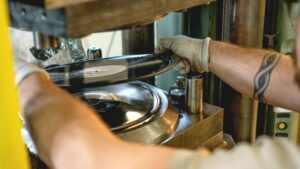
There is something undeniably satisfying about dropping a needle on a record and hearing that warm, rich sound fill the room. But have you ever stopped to wonder how that flat black disc actually gets made? The process of manufacturing vinyl records is a fascinating blend of chemistry, engineering, and old-school craftsmanship that has stayed largely the same for decades.
Whether you are a lifelong collector or just getting curious about the hobby, understanding how vinyl records are made gives you a deeper appreciation for what you are actually holding in your hands.
It All Starts With PVC Pellets
The base material for every vinyl record is polyvinyl chloride, better known as PVC. These small plastic pellets are mixed with other compounds – stabilizers, lubricants, and pigments – to create a compound that can be melted down and molded under heat and pressure.
The quality of this compound matters more than most people realize. Higher-quality pressings use a purer PVC mixture, which results in lower surface noise and better sound reproduction.
That is one reason why original pressings from certain eras are so prized by collectors.
Creating the Master Recording
Before a single pellet gets melted, the audio has to be prepared. A mastering engineer takes the original studio recording and carefully adjusts the levels, equalization, and dynamics to make sure the music will translate correctly to the physical format of a record.
This mastered audio is then sent to a cutting lathe, which is a precision machine that cuts a continuous spiral groove into a lacquer-coated aluminum disc. This disc is called the lacquer master, and it is the starting point for everything that follows.
The Electroplating Process
The lacquer master is too fragile to use directly for pressing records. Instead, it gets sent through an electroplating process. The lacquer is coated in a thin layer of metal – typically nickel – using an electrical charge to bond the metal to the surface.
Once the metal layer is thick enough, it is peeled away from the lacquer. What you end up with is a metal negative of the original groove pattern. This is called the stamper, and it is what actually presses the grooves into your record.
Pressing the Record
This is the part where it all comes together. A pre-measured amount of PVC compound – sometimes called a “biscuit” or “puck” – is placed between two stampers inside a hydraulic press.
The press slams shut, applying both heat and extreme pressure at the same time. The PVC melts slightly and flows into every tiny groove of the stampers, capturing all the detail of the original recording. The press then cools the disc quickly before opening and releasing the finished record.
The whole pressing cycle takes less than a minute, which is remarkable when you think about how much detail is preserved in that process.
Labels and Trimming
Before the press closes, paper labels are placed on both sides of the PVC puck. The heat and pressure bond the labels permanently to the record surface during the pressing cycle, so they become part of the disc itself rather than a sticker applied afterward.
After pressing, any excess plastic around the edges – called flash – is trimmed off. The record is then inspected for defects before it moves on to quality control.
Quality Control and Why It Matters
Not every record that comes off a press is perfect. Air bubbles, pressing debris, and inconsistent groove depth can all cause playback problems. Quality control at this stage separates a mediocre pressing from a great one.
Serious audiophiles often seek out original pressings because manufacturing standards varied widely between different plants and different eras. A first pressing from a top facility in its prime can sound noticeably better than a later reissue made with worn stampers or lower-grade materials.
What Makes a Pressing Valuable
The manufacturing process explains a lot about why collectors get excited about specific pressings. A few key factors drive collectibility and value:
- Stamper wear – Stampers degrade over time. Early pressings made from fresh stampers tend to have sharper, cleaner grooves.
- PVC quality – Older pressings sometimes used higher-grade vinyl compounds, resulting in quieter surfaces.
- Mastering quality – Some mastering engineers are legendary for their work, and pressings cut by their hand are highly sought after.
- Limited runs – Small pressing quantities mean fewer copies exist, driving up demand.
Understanding these details makes it easier to spot a genuinely valuable record versus one that just looks old.
From Factory to Your Collection
Once records pass quality control, they are sleeved, jacketed, and shipped out to distributors, record stores, or directly to buyers. From there, they make their way into the hands of collectors, DJs, and music lovers who will play them for decades.
Many of the records sitting in attics and basements across Cleveland and beyond went through exactly this process years or even decades ago. Some of them are now worth serious money to the right buyer.
How Vinyl Records Are Made and Why It Matters
The journey from raw PVC pellets to a playable record is more intricate than most people expect, and that craftsmanship is a big part of what makes vinyl so enduring. If you have inherited a collection or found old records you no longer need, those discs represent real history – and potentially real value.
The team at Cash For Records has been helping collectors in Cleveland turn their vinyl into cash since 2001. Reach out today for an honest, no-pressure evaluation of what you have.