

How to Organize Vinyl Records: Smart, Simple Systems That Actually Work
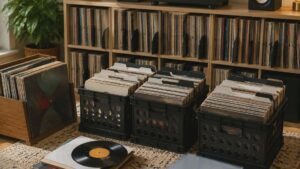
If you’ve ever dug through a pile of records trying to find one specific album, you already know the frustration. Whether you have 30 records or 300, a little structure goes a long way. The good news is that vinyl record organization doesn’t have to be complicated. You just need a system that fits how your brain works – and one you’ll actually stick to.
Why Organizing Your Vinyl Collection Matters
Music is personal. The way you sort and store your collection says a lot about how you listen and what you value. But beyond aesthetics, staying organized protects your records. When you stack records flat or let them lean at odd angles, you risk warping, sleeve damage, and general wear that shortens their lifespan.
A well-organized collection also makes the experience more enjoyable. You can find the album you want quickly, keep track of what you own, and even build a wishlist without duplicating records you already have.
For anyone who started collecting records recently or inherited a large collection and isn’t sure where to begin, learning about what to do with an inherited record collection is a smart first step before jumping into any organization system.
Choosing the Right Vinyl Record Storage First
Before you organize, you need a place to put everything. Vinyl record storage options range from simple to elaborate, and the right choice depends on your space and budget.
The IKEA Kallax shelf is probably the most popular choice among collectors. Each cube fits roughly 50-75 LPs, making it easy to scale as your collection grows. A media console with built-in record storage is a sleek option if you want your turntable, amp, and records all in one place. For a minimalist setup, a simple bookshelf or a dedicated record holder can work just as well.
Whatever you choose, the golden rule is to always store records upright. Keeping records upright prevents warping and uneven pressure over time. Never pile them flat on top of each other. A sturdy crate, cube, rack, or cabinet all work fine as long as they hold your records vertically and allow easy access.
If you want a deeper look at how to protect what you own, check out these proper vinyl record storage techniques before committing to a setup.
How to Organize Your Vinyl: The Main Methods
There is no single best vinyl organization system. The right approach depends on how many records you have, what genres dominate your collection, and how your mind naturally categorizes music.
Sort by Genre
For most collectors, sorting by genre is the most intuitive starting point. If you have a heavy jazz section alongside classic rock, hip-hop, soul, and the occasional soundtrack or compilation, keeping those groupings separate makes browsing feel natural.
You can use a simple divider between sections so you can flip through each genre without confusion. Label each divider clearly – whether that’s handwritten or printed – and your catalog becomes easy to navigate at a glance. This method works especially well when your tastes span a wide range, from drum and bass and jungle music to blues and R&B.
Alphabetical Order Within Each Genre
Once you have your genre groupings in place, sorting alphabetically within each section is the easiest way to find the album you need fast. You can go alphabetical by artist name, which is the most common approach, or by album title if you prefer.
Using a divider for each letter keeps things tidy. A record collector with 100 records or more will immediately feel the difference once alphabetical order is in place.
Chronological by Release Dates
Some collectors prefer to sort by release dates, organizing records chronologically within each artist’s section. This is a great approach if you love following how a musician or band evolved over time. It adds a storytelling quality to your shelf that genre or alphabetical grouping alone can’t quite replicate.
Sorting by Label
Grouping by record label is a niche but rewarding system, especially if you’re deeply into a specific era or sound. Many serious collectors appreciate the grouping because certain labels defined entire movements in music history. It also works well when you’re cataloging your collection on Discogs, where label and pressing details are part of the record’s identity.
Speaking of Discogs, the platform is an excellent tool for tracking your vinyl record collection, identifying pressings, and managing a digital catalog of everything you own. If you haven’t used Discogs yet, it’s worth exploring alongside whatever physical organization system you choose.
Practical Tips for Keeping Your Collection in Shape
Getting organized is only half the battle. Keeping your records in good condition matters just as much. A clean record always sounds better and holds its value longer, so knowing how to clean vinyl records safely is essential.
You should also have a clear sense of how often to clean your vinyl records, because over-cleaning can cause damage.
For a well-rounded, curated collection, consider keeping only records you genuinely love. If you’re sitting on a box set or acrylic-sleeved pressings that no longer interest you, those might be worth selling. Check your spine labels for pressing info, and look into understanding vinyl record grading standards if you’re assessing what you have.
A dedicated music room or a tidy stereo setup with a solid record player stand makes the whole experience more enjoyable. Whether you go the DIY route or invest in a proper organizer, the key is consistency.
Conclusion
Organizing your vinyl doesn’t have to feel overwhelming. Start with a storage solution that keeps records upright, pick a sorting method that fits how you think – genre, alphabetical, chronological, or by label – and build from there. If you discover records in your collection that no longer serve you, Cash For Records pays honest, straightforward cash for quality vinyl. Give them a call at 216-315-8216 or visit cashforrecords.com to learn more.