
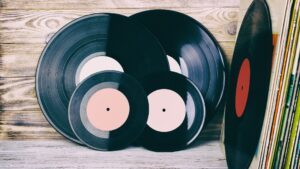
The Real Difference Between Single, EP, LP, and Album Explained for Music Fans
If you have ever stood in front of a record shelf or scrolled through Apple Music, wondering what the difference is between a single, EP, LP, and album, you are not alone.
The terms get tossed around casually. Artists say they are about to release an EP. Record labels promote a new studio album. Collectors talk about LPs like they are something entirely different. For music fans, it can feel confusing.
So let’s slow everything down and make it clear. We will break down the difference between an EP, an LP, a single, and a full album in plain English. And if you are a vinyl collector, this will also help you understand why format, condition, and release type can impact value.
What Is a Single in Music?
A single is the simplest place to start.
A single (music) release usually contains one main song. Traditionally, on a vinyl record, this meant one track on the A-side and another on the B-side. That B-side might be a remix, a live version, or a completely different Song.
Most classic singles were pressed on 7-inch vinyl and spin at 45 rpm. That number refers to revolutions per minute, which is the spin rate on a standard record player or phonograph. Some collectors love these because they often contain rare versions or early takes.
In today’s digital music world, singles are commonly released first to build hype for a larger project. You hear them on streaming platforms and playlists before a full album arrives. For artists looking for new music exposure, singles are often the first step in getting music out there.
What Does EP Stand For?
The term EP stands for extended play. You may sometimes see it written as “extended play: a shorter release that sits between a single and a full album.
So what makes something categorized as an EP?
An EP typically includes four to six tracks. Sometimes it can stretch to 6 tracks or slightly more, but it is still shorter than a traditional full-length album. The total playtime usually runs between 15 to 30 minutes.
In simple terms:
- A single = 1 or 2 songs
- An EP = a small collection of songs
- An LP = a full-length body of work
The term EP became popular in the era of vinyl and compact disc releases, when space on a phonograph record physically limited how much music you could fit on a format.
The EP Format on Vinyl
On vinyl, EPs were often pressed as:
- 7-inch vinyl spinning at 45 rpm
- 12-inch records, sometimes marketed as a Twelve-inch single
The EP format can vary in size, but the big defining factor is album length and number of songs.
It is not long enough to be considered a full-length LP record.
In independent music, EPs are often used as testing grounds. An artist might release an EP before committing to a full album release. For example, projects like House of Balloons by The Weeknd blurred the lines between mixtapes and EPs, reshaping how fans see shorter releases.
What Is an LP?
LP stands for Long Play. When people say LP record or vinyl LP, they usually mean a 12-inch phonograph record that spins at 33 rpm, technically 33 1/3 Revolutions per minute.
An LP typically contains:
- 8 to 12 tracks
- Around 30 to 60 minutes of music
- A complete body of work
An LP is generally considered a full-length album. In fact, the terms LP and album are often used interchangeably, though the album format originally included other music formats like cassette tape and Compact disc.
A full-length LP often represents an artist’s fully realized artistic vision. Think of a concept album with a strong narrative running from start to finish.
The Album Format and the Studio Album
An album can exist across digital formats, streaming media, vinyl, or CD. In the music industry, a studio album typically means a carefully produced, cohesive project meant to define a specific era of an artist’s music career.
For example, Bastard (Tyler, the Creator album) introduced a raw, conceptual approach, while Tha Doggfather represented a polished studio album release. These full albums are meant to be experienced as a complete canvas, not just a playlist of random songs.
EP vs LP: Understanding the Differences
Now let’s clearly address EP vs. LP.
The biggest differences between EPs and LPS come down to:
- Number of songs
- Playtime
- Scope of the project
- Intended impact
An EP is shorter and more focused. An LP is longer and more expansive. In an EP vs. LP comparison, the LP usually carries more weight in an artist’s music career. It is seen as a major statement. An EP release, on the other hand, is often part of a broader release strategy.
When considering the difference between an EP and a full-length LP, here is the simple breakdown:
- EP – shorter release, limited tracks, often exploratory
- LP – full-length, cohesive body of work, major album release
This also answers the popular search question: what’s the difference between single, EP, LP, and album? It is mainly about album length and intent.
EP and LP vs Album: Is There a Difference?
Here is where confusion really sets in: vs LP vs album.
Technically, an LP is a format. An album refers to the collection of songs itself. But in practice, a full-length LP and a full album are the same thing.
So in everyday conversation:
- EP and LP are format-based terms
- An album can refer to either, but usually implies a full-length project
The terms EP and LP come from vinyl history. The album format just adapted across evolving music formats.
Why Format Still Matters for Vinyl Collectors
If you are spinning records on a turntable in Cleveland, OH, format still matters.
A vinyl record pressed as a full-length LP often has different fidelity compared to a 7-inch single that must spin at higher speeds. The playback speed, whether it is 33 rpm or spins at 45 rpm, can influence sound compression, groove width, and fidelity compared to other formats.
For collectors, LP matters in terms of rarity and demand. Early independent music pressings, limited-run EPs, or specific genre releases can command higher prices.
If you want to go deeper into pressing details, understanding the differences between mono and stereo vinyl records can also affect value and listening experience.
And when evaluating what makes a vinyl record valuable, both format and historical context play key roles.
EP or LP: Which Is Better for Artists?
From a release strategy perspective, deciding whether to release an EP or an LP depends on goals.
Artists in independent music often release an EP as a lower-risk move. It requires less production cost and allows experimentation. Domo Genesis, for example, built buzz through shorter projects before larger statements.
A full-length album, however, can define a moment in a music career. It allows for deeper narrative arcs, sampling (music), remixes, and genre blending across 12 tracks or more.
In the era of streaming platforms like Apple Music, Apple Inc. has made digital music distribution easier than ever. Artists can drop shorter projects frequently to stay relevant on playlists.
However, a full-length album often still carries more prestige in the music industry.
The Difference Between an EP and an LP on a Turntable
On a practical level, when placed on a standard record player:
- An EP might be smaller and spin at 45 rpm
- An LP record is typically 12 inches at 33 1/3 rpm
- A Phonograph needle interacts differently depending on groove spacing
For collectors, fidelity matters. A full-length LP pressed well can offer a richer listening experience simply because of groove real estate. That said, certain EPs are prized for rarity and cultural impact within a specific genre.
If you are assessing older pressings, it also helps to know the original pressing vs. the first pressing, explained, and how to tell if a record is a first pressing.
Condition plays a huge role, too, which is why reviewing vinyl record grading standards can save you money or help you earn more when selling.
How Streaming Platforms Changed the Meaning of EP and Album
Streaming media blurred some traditional definitions.
On streaming platforms, the line between mixtape, EP, and album is sometimes more about marketing than strict track count. Projects may be labeled strategically for music distribution reasons.
Some releases that would once be called mixtapes are now sold as EPs. Others push album length into longer experiences meant to dominate playlists. The way we consume music has changed, but the core differences remain rooted in playtime and scope.
Why This Matters for Collectors in Cleveland, OH
For collectors in Cleveland, OH, understanding the differences is not just trivia. It affects buying, selling, and preserving records.
A rare EP release on Cherry Red Records might be harder to find than a mass-produced LP. A limited independent music pressing could carry higher demand. The format, condition, and cultural context all impact value.
At Cash For Records, we regularly evaluate everything from 7-inch singles to full-length LP collections. We take time to understand the body of work, record label, and overall landscape of your collection.
Whether you inherited LPs, discovered old EPs in storage, or are curious what your vinyl LP might be worth, clear definitions make smarter decisions possible.
Conclusion
Understanding the difference between an EP, LP, single, and full album helps you become a smarter listener and collector. An EP offers a shorter burst of creativity. An LP delivers a full-length statement. Singles highlight one standout song. While streaming platforms have blurred lines, the core distinctions still come down to format, playtime, and artistic intent.
If you are in Cleveland, OH, and wondering what your records are worth, Cash For Records can evaluate your collection honestly and professionally. Reach out and turn your music knowledge into real value.