

Are Classical Vinyl Records Valuable?
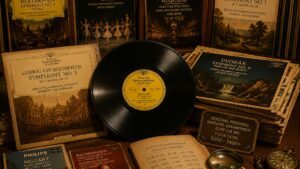
If you’ve stumbled across a collection of classical records in a basement or inherited albums from a relative, you might be wondering whether those old phonograph records are worth anything or whether you should sell vinyl records. The short answer is yes, but it depends on several factors that aren’t always obvious at first glance.
Classical music on vinyl is a surprisingly active corner of the collector’s market, and knowing what to look for can make a real difference in what you walk away with.
Why Classical Vinyl Still Matters to Collectors
Classical vinyl records have never fully gone away, even after the compact disc took over in the 1980s. Audiophiles argue that the warmth and depth of an LP record simply cannot be replicated digitally, and many serious music lovers still seek out original pressings for their listening rooms.
Platforms like Discogs and eBay regularly list classical records ranging from a few dollars to several hundred, depending on condition, rarity, and the artist or label involved. The demand is real, and it’s growing alongside the broader vinyl revival.
What Makes a Classical Record Valuable?
Not every classical album is worth a fortune, but certain characteristics push prices up significantly. Understanding what makes a classical record valuable is the first step to knowing what you might have on your hands.
The Record Label Matters Enormously
The record label on a classical pressing can be the single most important factor in its value.
Labels like Deutsche Grammophon, RCA Records, and the Columbia Graphophone Company produced some of the most respected classical recordings in history, and early pressings from these labels are highly sought after.
A first pressing from Deutsche Grammophon featuring a legendary conductor will always be worth more than a budget reissue. Collectors know the difference, and so do dealers.
Artist and Conductor Recognition
Just as rock music has its icons, classical music has its legends. Recordings featuring conductors like Herbert von Karajan or violinists like Leonid Kogan command serious attention on the collector’s market.
A complete Ludwig van Beethoven symphony cycle conducted by von Karajan on an original pressing is a very different thing from a generic compilation. Name recognition in classical music carries real monetary weight.
Mono vs. Stereo Pressings
Monaural sound recordings – often called “mono” pressings – from the 1950s and early 1960s are frequently more valuable than later stereophonic sound versions. This surprises a lot of people, but mono pressings were often made with more care during mastering, and serious audiophiles actively seek them out.
If your records predate 1960 and feature mono labels, pay close attention before assuming they’re worthless.
Box Sets and Complete Collections
Classical box sets in good condition can be significantly more valuable than individual LPs.
Complete opera recordings, symphony cycles, or retrospective collections – especially those released by prestigious labels – attract dedicated buyers who want the whole experience.
If you have a complete set with original inserts, booklets, and artwork intact, that matters.
Completeness is everything in the collector’s world.
Condition Is Non-Negotiable
A rare record in poor shape is still a rare record – but it won’t sell for much. Surface noise, heavy scratches, warping, and damaged sleeves all reduce value quickly. Records with a barcode on the cover are almost always later pressings, which typically sell for less than original editions.
Platforms like RareVinyl.com and Discogs allow you to cross-reference specific pressings and get a realistic idea of what the market is paying right now.
How to Research What You Have
Before you assume anything, do a little homework. Here’s a reasonable approach:
- Look at the label on the record itself, not just the sleeve. Early pressings often have distinct label designs that changed over time.
- Check whether the record is mono or stereo. This is usually printed directly on the label or sleeve.
- Search Discogs using the artist name, album title, and label to find matching listings and completed sales.
- Note the condition honestly. Grading records accurately is important when selling or getting an appraisal.
- Look for original inserts, booklets, and inner sleeves. These add value, especially for box sets.
Communities like the classical vinyl records group on social platforms are also useful for getting opinions from experienced collectors who can help identify pressings and estimate value.
Are Classical Records as Valuable as Jazz or Rock?
In most cases, jazz and certain rock pressings tend to bring higher prices at the top end of the market. However, classical records – particularly rare opera recordings, early mono pressings, and releases from elite labels – can absolutely compete.
The classical market is more niche, which means demand can be intense for the right records.
A collector hunting a specific Karajan pressing or a rare Leonid Kogan release will pay accordingly.
Selling Your Classical Vinyl Records
If you’ve decided it’s time to sell, working with a knowledgeable buyer is the smartest move.
Selling records one by one on eBay takes time, and online marketplaces charge fees that eat into your return.
Cash For Records has been buying vinyl since 2001, and the team understands classical music the same way they understand jazz, blues, and soul. Every collection gets an honest evaluation with no pressure and no guesswork.
How to Tell If Your Classical Vinyl Records Are Valuable
Classical vinyl records can be genuinely valuable, and the key is knowing what you have before making any decisions. Labels, artists, pressings, and condition all play a role in determining what your records are worth. Whether you have a single LP or an entire box set collection, a professional evaluation is always worth pursuing. If you’re ready to find out what your records could be worth, reach out to Cash For Records directly at 216-315-8216 for an honest, no-obligation conversation with a team that truly knows vinyl.