

Can a Worn Stylus Damage Records? What Every Vinyl Owner Should Know
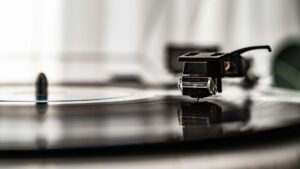
If you own vinyl records, you already know they require a certain level of care. But one question that often catches collectors off guard is whether a worn stylus can actually damage their records. The short answer is yes – it absolutely can. And if you’ve been playing your records with an aging needle, the damage may already be happening without you even realizing it.
Let’s break down what’s really going on and what you should do about it.
What Is a Stylus and Why Does It Matter?
The stylus – often called the needle – is the tiny tip at the end of your turntable’s cartridge. It sits directly inside the grooves of a record and translates the physical vibrations into sound. It’s a small piece of equipment doing a big job.
Most styli are made from diamond, which is incredibly hard but not indestructible. Over time, through repeated use, that diamond tip wears down. A fresh stylus has a smooth, rounded tip that glides cleanly through the groove. A worn one becomes jagged, misshapen, or flat – and that’s when things go wrong.
How a Worn Stylus Damages Vinyl Records
The Groove Is Everything
The grooves in a vinyl record are incredibly fine and delicate. When a properly shaped stylus tracks through those grooves, it moves with precision. When a worn stylus does the same thing, it scrapes instead of glides.
That scraping creates friction, and friction creates heat. Over multiple plays, this heat and physical abrasion actually wears down the groove walls. You may notice this as increased surface noise, a dull or muffled sound, or distortion – especially in the high frequencies.
The Damage Is Cumulative and Permanent
Here’s the part that should concern every vinyl owner: groove damage caused by a worn stylus is irreversible. You can clean a dirty record. You cannot un-wear a groove.
The more you play a record with a bad needle, the worse the damage gets. What starts as subtle audio degradation can eventually ruin a record entirely – rendering it unplayable or at least unpleasant to listen to.
It Affects Record Value Too
If you own collectible records – whether it’s a pressing of a Miles Davis album, a classic rock LP, or a rare soul 45 – groove damage significantly reduces their value. Buyers and collectors can often hear or even see the damage, and it will affect what your collection is worth when the time comes to sell records for cash.
How Often Should You Replace Your Stylus?
Most manufacturers recommend replacing your stylus every 500 to 1,000 hours of playtime.
That might sound like a lot, but if you’re a regular listener, those hours add up faster than you’d think.
A good rule of thumb: if you’re not sure when you last replaced your stylus, it’s probably time. A quality replacement is far cheaper than replacing damaged records.
Signs Your Stylus May Be Worn
You don’t always need a microscope to spot a problem. There are a few warning signs worth paying attention to:
- Increased surface noise or crackling even on clean records
- Distorted or harsh highs that weren’t there before
- Sibilance issues – a “ssss” sound on vocals that sounds exaggerated
- Visible wear on the tip when viewed under magnification
- Skipping or mistracking on passages that used to play fine
If you notice any of these, stop playing your records until you’ve had the stylus inspected or replaced.
What You Can Do to Protect Your Collection
Keep Your Stylus Clean
A dirty stylus can cause some of the same tracking issues as a worn one. Use a soft stylus brush before and after each session. Never wipe aggressively – always brush gently from back to front.
Clean Your Records Before Playing
Dust and debris in the grooves can accelerate stylus wear. A clean record means less friction and less wear on both the record and the needle. A simple anti-static brush before each play makes a real difference.
Don’t Play Records With a Cheap or Unknown Stylus
If you’ve inherited a turntable or bought one secondhand, have the stylus checked before you play anything valuable. An old or low-quality needle can cause serious damage very quickly.
Store Records Properly
Even a perfect stylus can’t help a record that’s been warped, cracked, or stored poorly. Keep your vinyl upright, in sleeves, away from heat and humidity.
How to Protect Your Records from Stylus Damage
Sometimes people discover their records have been damaged – either by a worn stylus, poor storage, or years of neglect. It’s disappointing, but it doesn’t mean your collection has no value.
Even imperfect collections can include records worth buying. If you’ve inherited a collection or found old records in your attic, professional record buyers can tell you what you’re actually working with. The condition will factor into any offer, but it doesn’t automatically mean your records are worthless.
Cash For Records has been evaluating vinyl collections since 2001, and the team understands that not every record is in mint condition. They take an honest, no-pressure approach to assessing what you have and what it’s worth.
Conclusion
A worn stylus is one of the most overlooked threats to a vinyl collection. The damage it causes is real, cumulative, and permanent – and it directly affects both the sound quality and the value of your records.
Replacing your stylus regularly is one of the simplest ways to protect what you own. If you’re unsure about the condition of your collection or are thinking about selling, Cash For Records offers honest evaluations and fair cash offers. Reach out at 216-315-8216 to get started.