

Bootleg Vinyl Records: What Collectors Should Know Before Buying
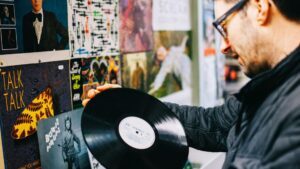
If you have spent time exploring record collections, you may have come across a bootleg record without realizing it. Perhaps a record shop owner pointed one out, or you found an unusual-looking LP in a crate and wondered why it seemed different from everything else.
Whatever brought you here, this guide explains what bootleg vinyl records are, how to identify them, what may affect their value, and what collectors should consider before buying or selling them.
What Is a Bootleg Record?
In simple terms, a bootleg is a recording released without authorization from the artist, record label, or rights holder. These are not typical authorized LP pressings distributed through a record label. Instead, they exist outside official commercial release channels.
Several types of unauthorized records are commonly found in collections:
- Live recordings: Concert performances captured through audience recording equipment, soundboard sources, or radio broadcasts.
- Unreleased studio recordings: Demos, outtakes, alternate versions, and B-sides that never received an official release.
- FM radio recordings: Performances recorded from radio broadcasts and later pressed onto vinyl.
- Counterfeit pressings: Copies of officially released albums designed to look authentic.
Each type has its own characteristics, sound quality, authenticity concerns, and potential collector interest. Knowing what type of record you have can make a significant difference when evaluating it.
A Brief History of Bootlegging
The bootleg market grew rapidly during the late 1960s as devoted fans sought recordings that record companies had not officially released.
One of the most famous early examples is Great White Wonder, a 1969 bootleg featuring Bob Dylan recordings. It is widely regarded as one of the first major rock bootlegs and helped fuel an underground market for unofficial releases.
Around the same period, recordings associated with the Rolling Stones’ 1969 American tour circulated unofficially, while Beatles outtakes began appearing in plain or minimally designed sleeves.
Labels such as TMOQ, also known as TMQ or Trademark of Quality, and Rubber Dubber became well known in the U.S. bootleg market during this era. Trademark of Quality developed a reputation among collectors for better sound quality than many other unofficial operations. Other labels, including KUM, also distributed recordings during this period.
These were not polished commercial operations. Many were driven by music fans who believed rare performances and unreleased recordings deserved to be heard.
Bootleg vinyl production was especially prominent before digital file sharing made unofficial recordings much easier to distribute. By the late 1980s, the bootleg market had expanded beyond rock music into jazz, classical music, and other genres.
How to Identify a Bootleg Vinyl Record
Spotting a bootleg is not always easy, especially when unofficial releases are designed to resemble authentic pressings. However, several details can help you determine what you may be holding.
Check the Label and Packaging
Authorized pressings typically include clearly printed label details, catalog numbers, credits, copyright information, and professional artwork.
Bootlegs may have vague or missing information. A plain white sleeve, rubber-stamped text, poorly reproduced artwork, or incomplete insert can be a sign that a record was not officially released.
Album covers on bootlegs may also look slightly off. Colors can appear washed out, fonts may not match known official releases, and inserts may be missing or poorly reproduced.
Look at the Matrix Information
The matrix number is etched or stamped into the dead wax area near the center label of a record. On official pressings, these markings often correspond to identifiable releases, mastering information, or pressing plant details.
Bootlegs may have incomplete matrix information, inconsistent markings, or details that do not match known official versions. However, matrix information alone may not always confirm authenticity, so it is helpful to compare the record with trusted reference information.
Consider the Recording Source
If you find an LP featuring a live concert that the artist never officially released, it may be a bootleg. The same applies to unreleased studio material, alternate versions, or radio broadcasts that were never issued through authorized channels.
Collectors should also distinguish between a bootleg recording and a counterfeit pressing. A bootleg may contain previously unreleased material, while a counterfeit is designed to imitate an existing official album.
Famous Bootlegs and the Artists Behind Them
Some of the most discussed unofficial recordings in record-collecting history are connected to artists with especially dedicated fan bases.
The Beatles have long been associated with a large catalog of unofficial session recordings, alternate takes, and live performances. Pink Floyd fans have traded unofficial live recordings for decades, especially recordings tied to the band’s extended concert performances.
Led Zeppelin was also a frequent subject of bootleg releases, with live performances and radio broadcasts circulating among collectors before some concert material became available through authorized releases.
During the grunge era, Pearl Jam became heavily associated with unofficial live recordings. The band later released an extensive series of official concert recordings, giving fans access to authorized versions of many live performances.
Artists such as Soundgarden and Chris Cornell also attracted interest among collectors of unofficial live recordings.
Metallica experienced significant circulation of early demos and unreleased material, including recordings connected to the …And Justice for All era. The band has been publicly critical of unauthorized distribution.
Other artists, including Radiohead and Travis, have also appeared in the world of unofficial recordings and collector pressings.
Are Bootlegs Legal to Buy or Sell?
Bootleg records involve important copyright and authenticity concerns. Unauthorized production or distribution of copyrighted recordings may violate applicable laws, depending on the material, location, and circumstances.
Collectors should also understand that counterfeit pressings raise additional concerns because they are designed to imitate official releases. A counterfeit copy may be presented as genuine, making it especially important to verify authenticity before paying a premium price.
Although unofficial records continue to circulate in the collector market, buyers and sellers should approach them carefully and remain aware of potential legal and authenticity issues.
What Are Bootlegs Actually Worth?
The value of bootleg vinyl records can vary significantly. Sound quality, rarity, artist demand, packaging, condition, and documented release history can all influence collector interest.
A well-sourced live recording captured from a high-quality source may sound much better than an audience recording made from the back of a venue. Poor audio quality can greatly reduce a record’s appeal, even when the performance itself is rare.
Rarity can also play a role. Early bootlegs connected to major artists, or desirable pressings associated with well-known unofficial labels, may attract serious collectors. However, many later copies with poor audio quality may have limited resale value.
If you are inheriting or sorting through a collection and find unusual vinyl records or CDs alongside official releases, it is worth having someone knowledgeable review them before assuming everything is valuable or worthless.
What Cash For Records Looks for When Buying Collections
At Cash For Records, we have been buying collections since 2001 and have encountered many types of records, including unofficial releases mixed into otherwise standard collections. A collection is not automatically overlooked simply because it contains bootlegs. The surrounding context, artist, condition, rarity, and overall quality all matter.
If you are in Cleveland, Ohio, and have come across a record collection you are unsure about, Cash For Records can help you evaluate what you have. Founder Paul Robinson and his team travel directly to sellers, review collections on site, and provide cash offers based on the records’ condition and market interest.
You can receive a professional evaluation without pressure to sell.
Conclusion
Bootleg vinyl records occupy a fascinating and complicated place in music history. Whether you are a serious collector or someone who recently discovered a box of old LPs, understanding the difference between a bootleg and a counterfeit can help you make more informed decisions.
Knowing how to identify unofficial releases, assess sound quality, and recognize factors that may influence value can also make it easier to understand what you own.
If you have records you are considering selling and are not sure what is in your collection, contact Cash For Records at 216-315-8216 for an evaluation and a cash offer.