
How Can You Tell if Vinyl Records Are in Good Condition in Jacksonville, FL?
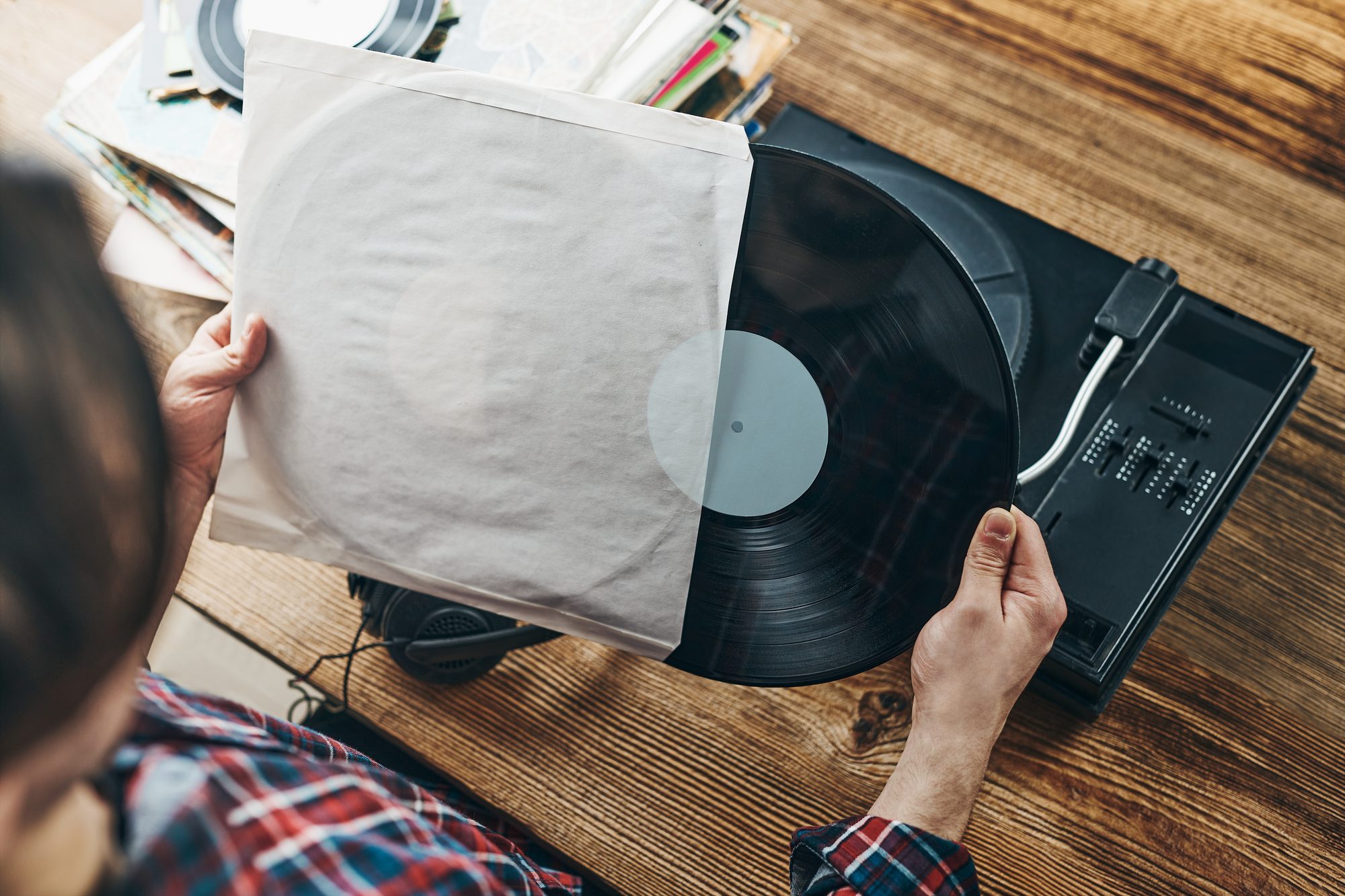
Condition is one of the first things people ask about when they decide to sell vintage vinyl records, and it is also one of the easiest things to misjudge without a closer look. Records that look fine from across the room can have real playback issues, while records with a worn-looking sleeve can still play cleanly from start to finish. Here is how condition gets assessed, and what to look for if you want a rough sense of where your collection stands before a buyer takes a closer look.
Play Grading: Listening for Skips and Surface Noise
Play grading means putting a record on a turntable and listening closely while it spins. The goal is to catch skips, pops, or surface noise that a visual check alone would miss. A record can look flawless and still have problems that only show up once the needle drops, which is why sound matters as much as sight. Understanding why vinyl records crackle helps explain what you’re actually listening for, since surface noise isn’t always about dust or dirty grooves.
A home turntable is useful if you already have one. Play a handful of records from different parts of the collection and get a general sense of whether most of it sounds clean or whether skips and noise turn up often. You do not need working equipment at home to sell, since Cash For Records’ buyers bring their own gear and grade records on site, whether the collection is rock, jazz, blues or soul.
Visual Grading: What to Look for Under Strong Light
Visual grading means inspecting a record under strong, direct light, ideally halogen or bright sunlight, to catch scratches, scuffs, and warping that normal room lighting hides. Tilt the record at an angle and let the light catch the surface. Fine scratches that are invisible head-on often show up right away this way.
Warping is the other thing to check. Hold the record flat and look for edges that curve instead of sitting level. Records stored upright in a stable spot tend to hold their shape far better than ones left flat in a hot garage or stacked under weight for years.
Every record eventually lands somewhere on a standard grading scale, from Mint down to Poor:
| Grade | What It Generally Means |
|---|---|
| Mint (M) | Sealed or never played; no visible or audible wear |
| Near Mint (NM) | Played but essentially flawless; clean and glossy |
| Very Good Plus (VG+) | Minor signs of play; sound quality holds up well |
| Very Good (VG) | Light scratches visible; occasional pop or surface noise |
| Good (G) | Plays without skipping but shows visible wear, marks, or writing |
| Fair or Poor (F/P) | Warped, scratched or damaged; skips or repeats while playing |
A record’s grade is a starting point, not a final number. Two records with the same grade can still sell for very different amounts once pressing, rarity, and demand come into play. That’s the core of how to determine the value of vinyl records: grade alone never tells the whole story. If you’re unsure where your own collection stands, a professional Vinyl Record Appraisal can weigh these factors together and give you a number you can actually trust.
Checking the Sleeve, Not Just the Vinyl
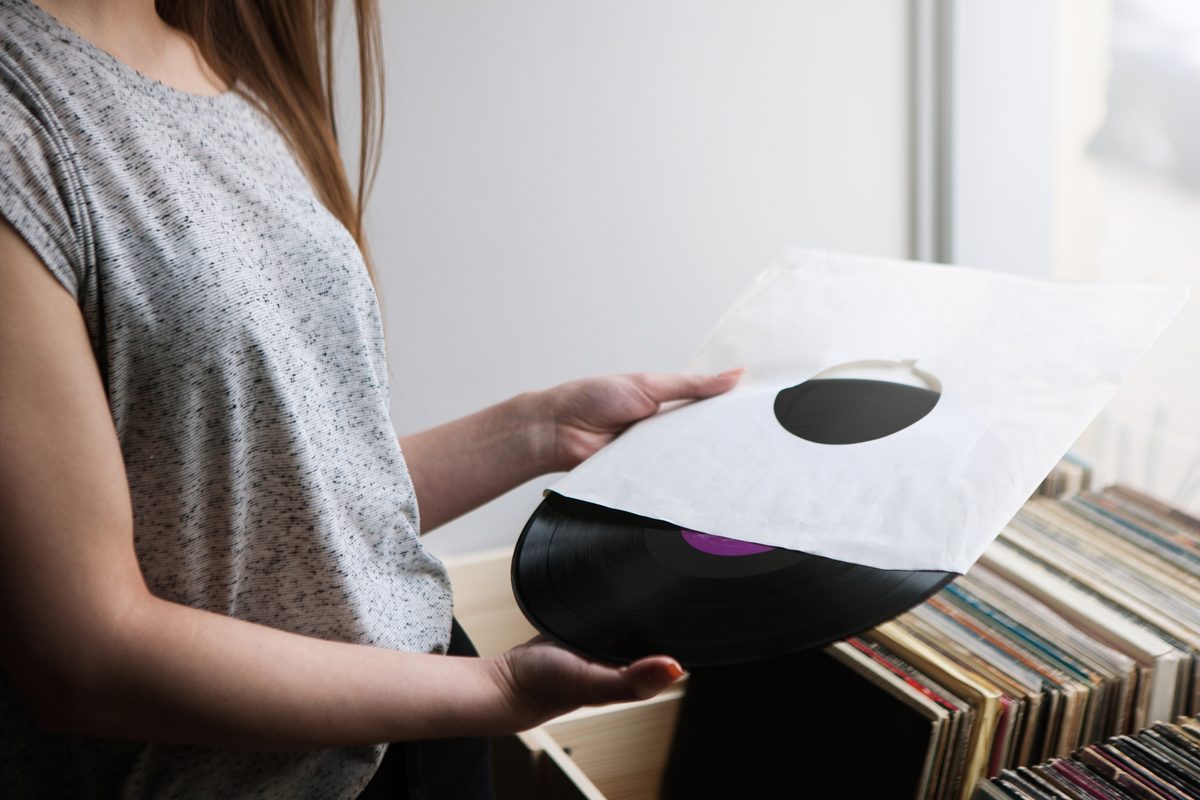
The sleeve gets graded on its own, and it affects the offer more than a lot of sellers expect. A record that plays cleanly can still lose value if the jacket is torn, stained, or covered in writing. A sturdy original sleeve works the other way, supporting the value of a record even when the vinyl shows some wear. Learning how to determine the value of vinyl records means looking past the grooves, since this matters especially on the jazz LPs Cash For Records buyers look for, including Blue Note pressings, where original sleeve art and liner notes are part of what collectors pay for.
A quick sleeve check covers:
- Seams: intact on every edge, with no splits at the spine or corners
- Moisture damage: no water rings, staining, or mold, which shows up often in uncontrolled Jacksonville storage
- Writing or stickers: anything added to the cover can lower value even when the vinyl underneath is clean
- Inner sleeve: present and undamaged, especially on jazz and soul releases where lyrics or liner art print on the inside
Condition Problems Common in Jacksonville Collections
Humidity is a factor here that sellers in drier climates rarely deal with, and it shows up most in collections kept in garages, attics, or other spaces without climate control. Warping, sleeve damage, and mold on paper materials tend to turn up more often in this kind of storage than they would indoors.
Around Duval County, including San Marco, Riverside, Avondale, Ortega, and Mandarin, where Cash For Records makes regular house calls, collections that sat through Florida summers without air conditioning tend to show more of these issues than ones kept the whole time indoors. That does not mean the collection has no value. It means condition may vary more from record to record than it would for a collection that never left a climate-controlled room.
Found a box of records that’s been sitting in a hot Jacksonville garage or attic? Give Paul a call at 904-299-3683, and he’ll walk you through what to check before your appointment.
Why an In-Person Evaluation Still Matters
A general sense of condition is useful for a first phone call, but detailed grading still calls for an in-person look. This is why detailed Vinyl Record Grading still calls for an in-person look, since lighting, equipment, and the ability to compare records side by side all affect how accurately a record grades between Mint and Poor. Photos and phone descriptions only tell part of the story.
This is also why offers made sight unseen tend to be unreliable. Two collections can sound identical when described out loud and still land at very different offers once someone plays the records and checks the sleeves under proper light.
Paul Robinson has been doing exactly this kind of in-person review across Jacksonville, Jacksonville Beach, and the rest of Duval County since 2001, buying jazz, blues, soul, R&B, rock, punk, and metal on LP, 45, 78, and 12-inch singles. He holds an A+ rating with the Better Business Bureau, and local sellers have given the business a 5.0-star average across Google reviews. He comes to your door, brings his own grading equipment, and no equipment of yours needs to work.
Ready to see where your Jacksonville collection lands on the scale? Call Paul at 904-299-3683 or email paul@cashforrecords.com with the genres, the approximate count, and the part of town you’re in, and he’ll set up a time to take a look.
Frequently Asked Questions
Do I need a working turntable to know if my records are in good condition?
No. A turntable helps if you already have one, but it is not required to get started. When Cash For Records comes out for an in-person evaluation, Paul brings his own equipment and grades records on site, so nothing at home needs to be working beforehand.
Does a damaged sleeve mean a record is worthless?
Not necessarily. The vinyl and the sleeve get graded separately, and a record that plays cleanly can still be worth a call even with a torn or water-stained jacket. Condition affects the offer, but it sits alongside artist, pressing, and rarity rather than deciding the price on its own.
Is there a minimum collection size to get an evaluation?
No. Cash For Records looks at collections of any size across Jacksonville, Jacksonville Beach, and the rest of Duval County, from a few dozen LPs to full estate collections.
Call 904-299-3683 with a rough count, the main genres, and the general condition to get started.