
Cash For Records in Jacksonville, FL: A Complete Guide to Selling Records
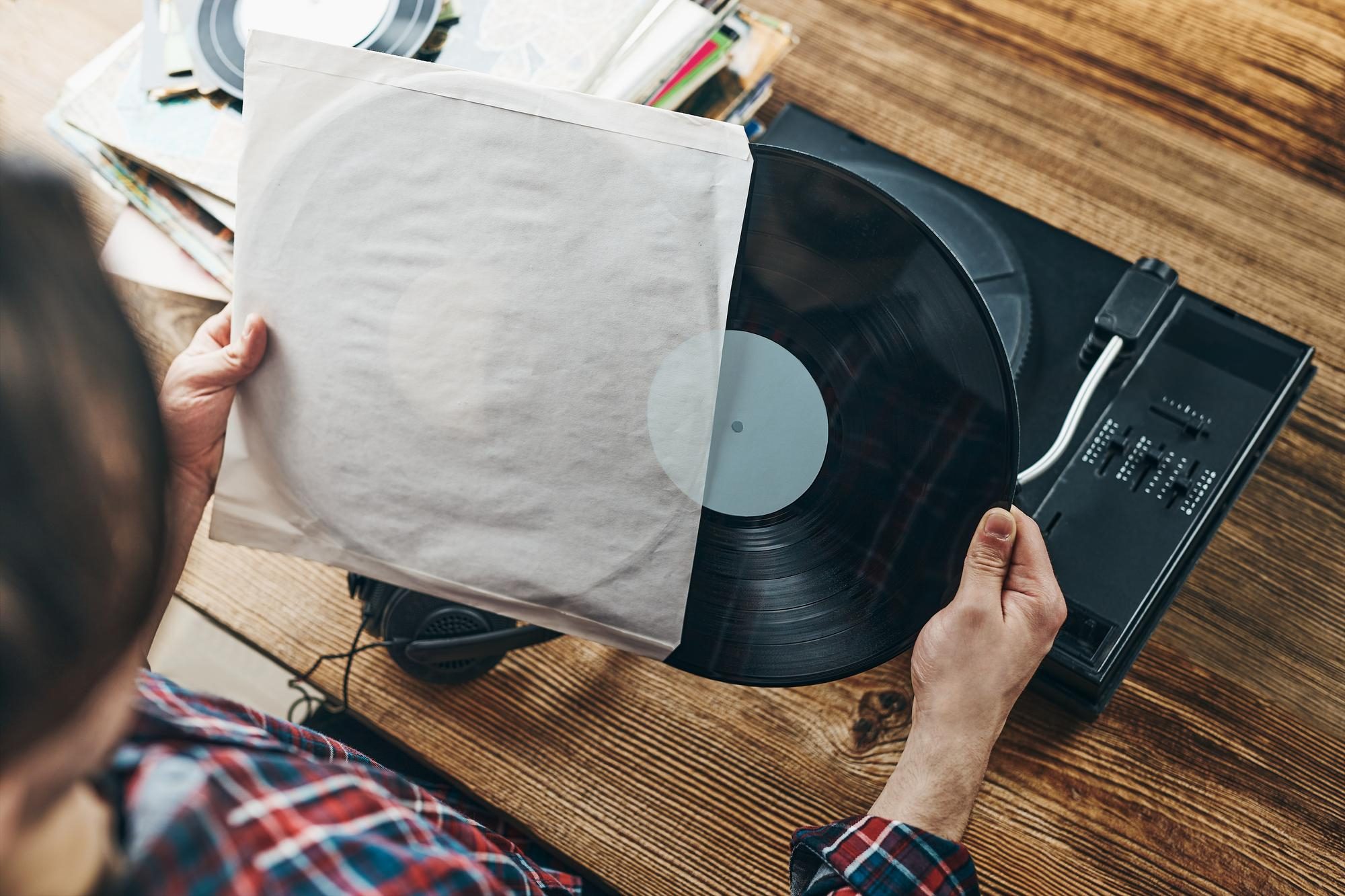
Selling a vinyl collection is easier when you know what buyers need to see and what details can affect interest. In Jacksonville, we work with owners of personal collections, inherited records, estate libraries, DJ archives, and other groups of vinyl that may be suited to a direct sale. You do not need to research every title before starting a conversation.
As a trusted vinyl record store, we make it simple to walk in with a collection and walk out with a fair offer. No prep work required, no need to sort through every sleeve beforehand. Just bring what you have, and we will take it from there.
This guide explains what helps us understand a collection, which record details matter, and how a seller can prepare without turning the process into a cataloging project. The goal is to give you a practical picture of how a direct record sale works in Jacksonville.
Start With the Collection as a Whole
A useful starting point is a broad description of what you have. Tell us roughly how many records are in the collection, which formats appear most often, the main genres, and where you store the records. A collection of 1,500 LPs built over several decades is different from 600 DJ 12-inch singles, even if both take up a similar amount of space.
You do not need an exact inventory. Shelf counts, box counts, and a reasonable estimate can give us enough context for an early review. It also helps to mention representative artists or labels. A description such as “mostly 1960s and 1970s jazz LPs with some Blue Note and Prestige titles” tells us more than “old records in boxes.”
Know Which Formats May Need a Closer Look
Vinyl collections can contain more than standard LPs. We may review:
- LPs
- 45s
- 78s
- 12-inch singles
- Promos
- Test pressings
- Picture discs
- Imports
- Other collectible formats
A DJ archive may lean heavily toward 12-inch singles and promotional copies, while an inherited collection may mix LPs, 45s, box sets, and older 78s.
Format can affect how a collection is assessed because collector demand differs across categories. A white-label promo, for example, was made for radio, DJ, reviewer, or music-industry use rather than a normal retail sale. A test pressing is a small pre-production run made before full manufacturing.
Those records can deserve closer identification because scarcity and pressing details may matter more than age alone. If you are looking for cash for record collections that include these harder-to-place formats, this is exactly the kind of detail worth mentioning upfront.
Pressing, Condition, and Demand Shape Value
Two copies of the same album can have different collector value. Pressing details may include:
- Label design
- Catalog number
- Country of manufacture
- Mono or stereo version
- Matrix or runout markings near the center label
Those markings can help identify the exact version of a record. An early pressing and a later reissue can look similar at a glance but attract different levels of buyer interest.
Condition matters too. The following can affect value:
- Scratches
- Warping
- Groove wear
- Water damage
- Sleeve wear
- Missing inserts
- Mold
A rare title in poor condition may be harder to sell than a cleaner copy of a less scarce pressing. Collector demand also varies by artist, title, label, format, and genre, so age alone is not a reliable guide to price.
Prepare the Records Without Overworking Them
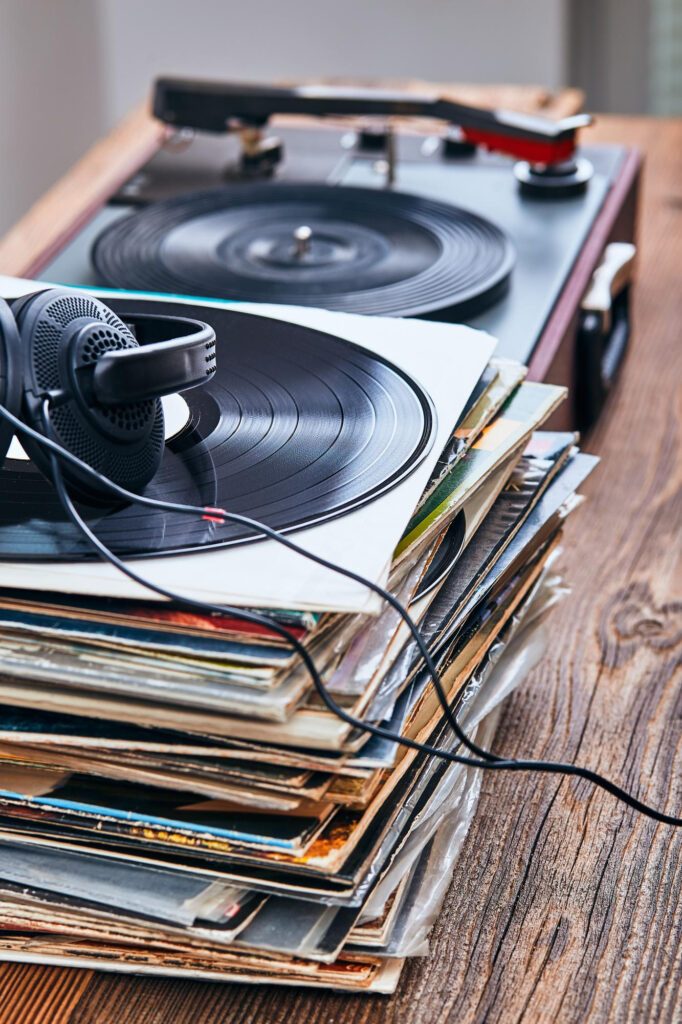
Before contacting a buyer, keep the records upright, dry, and inside their sleeves. There is little reason to clean hundreds of discs before anyone has reviewed the collection. Light dust removal is fine, but aggressive cleaners, household chemicals, adhesive repairs, or rough handling can cause damage that wasn’t there before.
Take a few clear photos that show the collection’s scale and character. Wide shots of shelves, crates, or boxes help us understand size. A few representative covers, labels, promos, or unusual pressings can show what type of material is present. A small set of useful photos often gives a clearer picture than dozens of close-ups from random titles.
Large, Inherited, Estate, and DJ Collections Need Different Context
A longtime collector may know the artists, labels, and buying history in detail. A family handling inherited records may know almost nothing about the collection. Both situations are normal. We can start with the information you have rather than expecting every seller to speak like a record dealer.
DJ, radio, and music-industry collections can also have a different profile from a home LP library. They may contain promos, white labels, imports, 12-inch singles, test pressings, and specialized genre runs.
Estate collections may be broader, with common records mixed beside harder-to-identify material. Keeping the collection together until it has been reviewed can help prevent an overlooked pressing from being separated or discarded.
A Direct Buyer Can Reduce the Work of Selling
Selling records one at a time gives the owner control over individual listings, but it also creates a long to-do list. Each record may need:
- Pressing research
- Grading
- Photography
- Pricing
- Buyer messages
- Packing and shipping
- Possible returns
That can be manageable for a small group of records and exhausting for a collection that fills a room.
A direct collection sale works differently. We review the collection as a group and decide if it fits what we buy. For suitable collections in Jacksonville and other served parts of Florida, an in-person review may be possible based on the collection and location. This route can make sense for sellers who care more about reducing workload than managing hundreds of separate transactions.
What Makes a Jacksonville Collection Easier to Review
Useful information saves time on both sides. An approximate count, main genres, representative artists, formats, general condition, and Jacksonville-area location give us a solid starting point.
If the records came from an estate, a DJ setup, a radio library, or a longtime personal collection, say so. That history can explain why certain formats or labels appear repeatedly.
Our buying history dates to 2001, when Paul Robinson started the family business in Cleveland. Over the years, we have worked around the same record details that collectors use to separate ordinary copies from more interesting ones: pressing, label information, condition, rarity, format, and current demand.
For a Jacksonville seller, the practical takeaway is straightforward. Describe the collection clearly, protect the records from damage, and let the records themselves guide the review.