
Selling Records for Cash in Jacksonville, FL
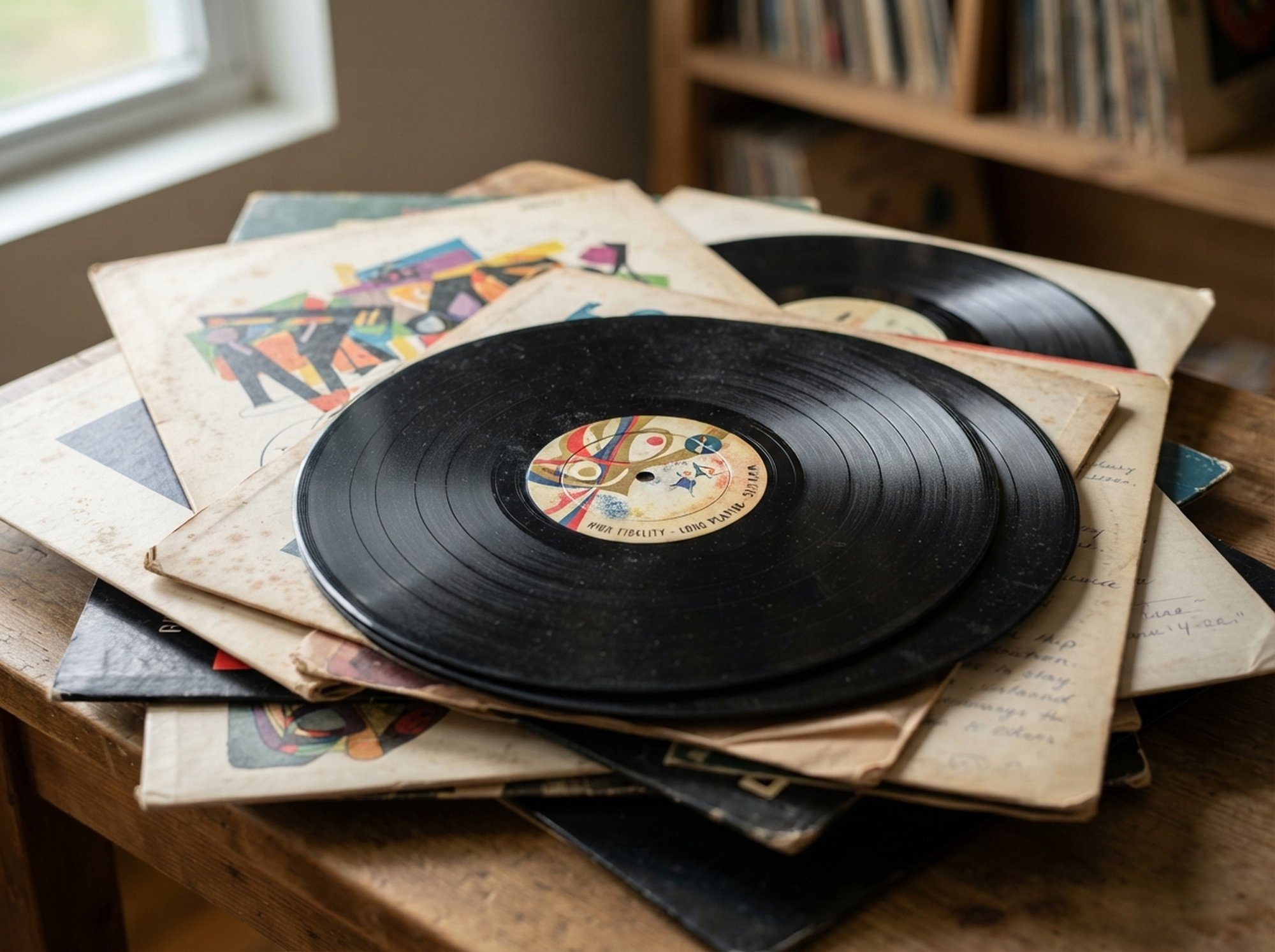
Selling records for cash in Jacksonville starts with understanding the collection, not guessing a price based on age or cover art. We review qualifying vinyl collections from longtime collectors, families, estates, DJs, radio-related owners, and people who are moving or downsizing. A seller can begin with a rough count and a few useful details rather than a title-by-title inventory.
The amount of work involved in selling can vary sharply depending on collection size and format. A few LPs can be researched one at a time. A room filled with records calls for a different plan.
If you are looking for a local place to sell vinyl records that actually knows what it is doing, knowing what information matters can help you decide how much preparation is worth doing before a buyer sees the collection.
Describe What You Have Before Thinking About Price
Start with the collection’s size and character. Estimate the number of LPs, 45s, 78s, or 12-inch singles. If counting individual records is impractical, note the number of shelves, crates, or boxes. Add the main genres and a few frequently appearing artists. This gives us a picture of the collection without forcing you to build a spreadsheet.
A useful description might say that the records fill six shelving units and are mostly jazz, soul, and rock from the 1950s through the 1980s. A DJ seller might describe 500 to 700 12-inch singles with dance, funk, soul, and hip-hop material. Specific context helps a buyer decide what kind of review makes sense.
Record Value Depends on More Than Age
Old vinyl is not automatically valuable. Collector interest can depend on:
- Artist and title
- Exact pressing and label details
- Rarity and format
- Condition and current demand
Some later records can attract strong interest while older titles may be common. The market cares about the exact copy in front of the buyer, not just the decade printed on the sleeve.
Pressing identification can be especially useful. Matrix or runout markings are letters, numbers, or symbols etched or stamped near the record label. Along with the catalog number, label design, country, and other manufacturing details, they can help distinguish one version from another.
A scarce early pressing can have a different market from a widely available reissue of the same album, which is worth knowing before you sell your record.
Condition Can Change Buyer Interest Quickly
Vinyl condition affects both playability and collector appeal. Factors that can lower interest include:
- Visible scratches, warping, or groove wear
- Cracks or label damage
- Heavy dirt
Sleeves matter too. The following can change how a copy is viewed even when the record itself looks clean:
- Water damage or torn covers
- Missing inserts
- Mold or heavy ring wear
You do not need to assign a formal grade to every record before contacting us. A general condition description is enough to start a conversation. If most records were stored upright in sleeves and look clean, say so.
If they came from a garage with moisture damage or have visible wear, mention that too. Clear information is more useful than an optimistic grade based on guesswork.
Certain Formats Can Change the Character of a Collection
Collections with promos, test pressings, imports, picture discs, 45s, 78s, or 12-inch singles may need more specialized review. A promotional copy may have been sent to radio stations, DJs, reviewers, or industry contacts. A test pressing comes from a small pre-production run used to check a release before normal manufacturing.
That does not mean every unusual format is expensive. Scarcity, artist demand, label, pressing, and condition still matter. The point is that a collection made up of specialized material should be described accurately. A former DJ with crates of white labels and 12-inch singles presents a different buying situation than a homeowner with mainstream LPs from a few decades ago.
Photos Can Help Without Becoming a Full Catalog
A few photos can tell us a great deal about a collection. Start with wide shots that show shelves, boxes, or crates. Include some representative covers and labels. If you notice promos, unusual pressings, imports, or records that look different from the rest, photograph a few of those too.
Avoid spending hours photographing every title unless a buyer specifically asks for that level of detail. For an early review, aim to show scale, genres, formats, storage, and condition. A group of clear, representative images can provide more useful information than a long stream of random album covers with no context.
Compare the Work Behind Different Selling Routes
Online marketplaces can work for sellers who want to research and handle individual records. That route gives you control over each listing, but it also means grading, writing descriptions, taking photos, setting prices, answering messages, packing records, shipping them, and dealing with buyer issues. With hundreds or thousands of records, the labor can become the main part of the sale.
A record store offers another route, especially when the collection is easy to transport. A direct collection buyer is best suited to reviewing records as a group. We specialize in larger collections and also work with inherited, estate, DJ, radio, and curated holdings. For suitable collections, we can consider travel or an in-person review based on collection fit and location.
Selling in Jacksonville Starts With Good Collection Details
Jacksonville sellers don’t need to answer every pricing question before contacting a buyer. The most useful starting information includes:
- Approximate count
- Main genres and representative artists
- Formats present
- General condition
- Location
That is enough to begin sorting out what type of collection you have and how it may fit a direct sale.
We have been buying records since 2001, with Paul Robinson leading the family business. Our evaluations look at the same details that matter in the collector market: pressing, rarity, label information, condition, format, and demand. A careful description of the collection gives those details room to matter without turning the seller into a part-time record cataloger.