
Understanding the Cash For Records Buying Process in Jacksonville, FL
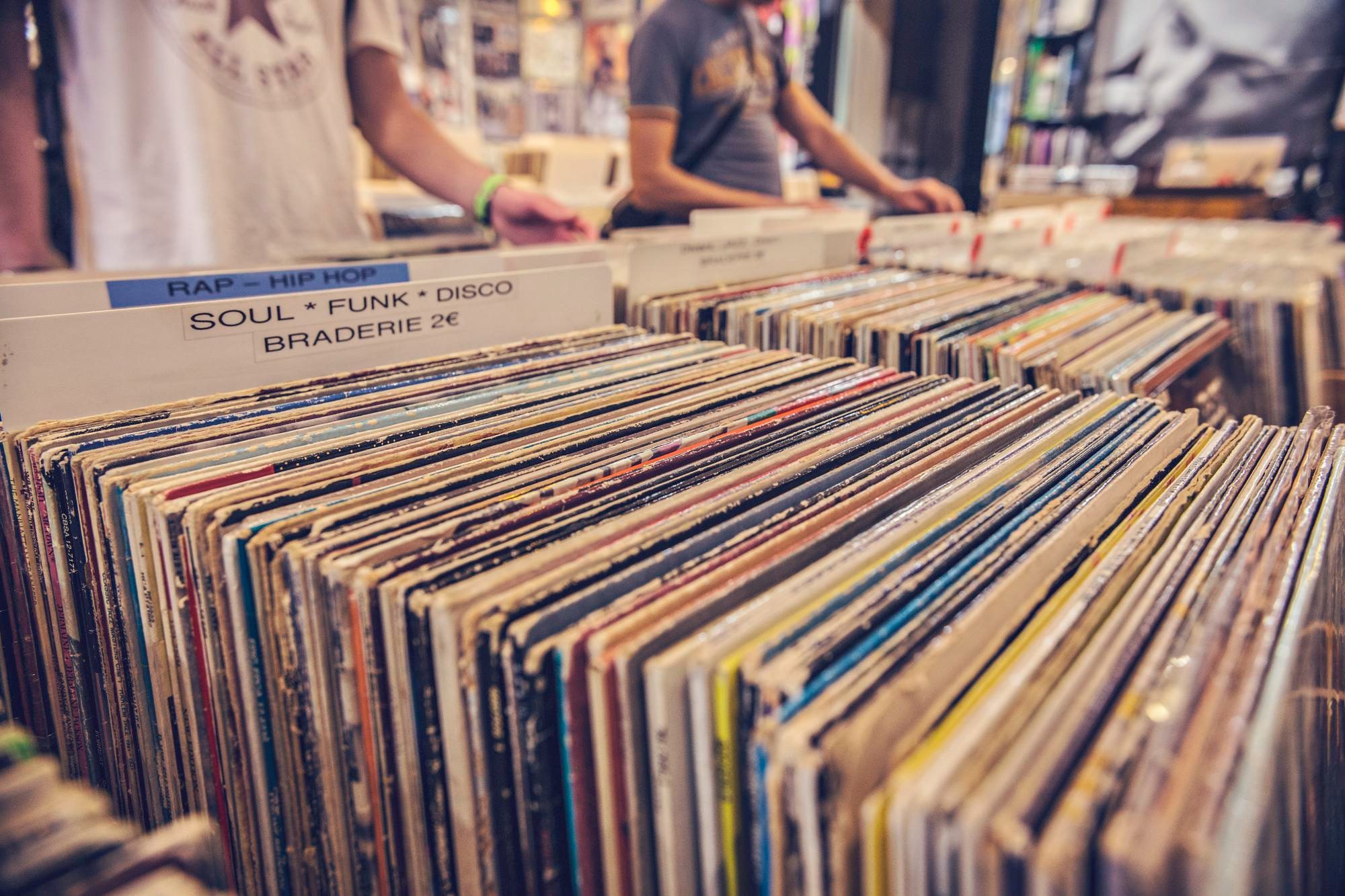
Selling a vinyl collection can raise plenty of practical questions. How much information should you gather before speaking with a buyer? Do you need to price every record yourself? What happens if the collection includes LPs, 45s, 78s, DJ singles, promos, or inherited records?
In Jacksonville, our buying process starts with understanding the collection before deciding whether it is a fit.
As a reliable vinyl record shop in Jacksonville, we want the process to feel straightforward, not stressful. We work with qualifying vinyl collections from longtime collectors, families, estate representatives, DJs, radio-related owners, and people who are moving, downsizing, or leaving the hobby.
We don’t start with a generic price per box. We begin with the records, the kind of collection you have, and the details that can affect collector interest.
The Process Starts With a Clear Picture of the Collection
A useful opening description covers the basics:
- Approximate record count
- Main genres and representative artists
- Formats
- General condition
- Jacksonville-area location
If counting every record would take hours, a rough estimate based on shelves, crates, or boxes is enough for an early conversation. We want to understand the collection’s size and character, not ask you to build a catalog before we see it.
The history behind the records can help too. A personal library built over forty years may look very different from an inherited estate collection or a former DJ archive. A seller who knows the collecting history can share it. A family member who knows little about the records can simply describe what is visible.
We do not expect every seller to identify pressings or recognize collectible labels before reaching out. This early conversation is where our cash for record process begins for most sellers.
Collection Type Helps Shape the Review
Large personal collections, inherited records, estate libraries, DJ archives, radio collections, and curated genre holdings can each call for different attention.
A DJ collection may include long runs of 12-inch singles, white-label promos, imports, and dance or hip-hop releases. An estate collection may combine common LPs with harder-to-identify 45s, 78s, box sets, or specialized pressings.
Looking at the collection as a group helps us see patterns that would be easy to miss one record at a time. The balance of formats, genres, labels, and eras can tell us how the collection was built and which areas may deserve a closer look. That broader view also helps us decide whether the collection matches our buying interests.
Pressing Details Can Change How a Record Is Viewed
Two records with the same artist and title are not always the same from a collector’s perspective. A pressing refers to a specific manufactured version of a release. The following details can help identify which version is in hand:
- Label design
- Catalog number
- Country of manufacture
- Mono or stereo configuration
- Matrix or runout markings
Matrix or runout markings are found near the center label and may be etched or stamped into the vinyl. They can help separate an early pressing from a later reissue or identify a particular manufacturing variation.
Sellers do not need to decode these markings across an entire collection. Their role explains why a buyer may spend more time with certain records that look nearly identical at first glance.
Condition, Rarity, and Demand Are Reviewed Together
Condition can change collector interest quickly. The following factors can all affect how a record is viewed:
- Scratches and groove wear
- Warping and cracks
- Label damage and water exposure
- Sleeve wear and mold
- Missing inserts
A scarce pressing in poor condition may attract less interest than a cleaner copy that is easier to play and display.
Rarity also needs context. A record can be difficult to find without having strong buyer demand. We consider artist, title, pressing, label details, condition, format, scarcity, and current collector demand together. That gives us a more useful picture than judging a record by age, cover art, or a single online asking price.
Photos Can Help Before an In-Person Review
A small set of clear photos can make the early review easier. Wide shots of shelving, boxes, or crates show the collection’s scale. Photos of representative album covers and labels help show genres, eras, and possible pressing types. If the collection includes promos, test pressings, imports, picture discs, or unusual formats, a few close-up photos can add useful context.
You don’t need to photograph every title before speaking with us. A seller with a large collection could spend days doing that without gaining much from the effort. The aim is to show what kind of collection you have, how it is stored, and whether specialized material appears throughout the group.
In-Person Reviews Depend on Collection Fit and Location
For suitable collections in Jacksonville and other served parts of Florida, an in-person review may be possible depending on the collection and location. The initial description and photos help us decide whether that kind of review makes sense.
Larger, deeper, inherited, estate, DJ, radio, and specialized collections are often easier to understand when you can see them as a group.
During an in-person review, we may examine representative sections, check condition, identify key details, look at genre depth, and assess the collection’s consistency. We rarely judge a large library based on one or two recognizable albums. The pattern across the shelves often tells us more about collector interest than a small handful of famous titles.
Direct Buying Can Reduce the Seller's Workload
Selling records individually can suit someone who wants to research and manage each title. That route often involves:
- Pressing identification and grading
- Photography and listing
- Pricing and buyer messages
- Packing and shipping
- Handling issues after the sale
The workload can become substantial when a collection contains hundreds or thousands of records.
Our direct buying model is for sellers who prefer to have a qualifying collection reviewed as a group. We have been buying vinyl since 2001, when Paul Robinson started the family business in Cleveland.
In Jacksonville, the process centers on understanding the records, reviewing the details that matter, and deciding whether the collection is a fit without asking the seller to turn it into hundreds of separate listings.