

Are Old Vinyl Records Still Worth Money If They Aren’t Collectible?
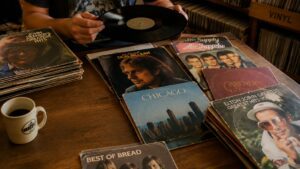
Most people assume that old vinyl records are only worth selling if they happen to be rare first pressings or original issues from legendary artists. But that assumption leaves a lot of money sitting in attics and basements across the country. The reality is more nuanced, and honestly, more encouraging than most people expect.
If you have a box of old records and you’re not sure whether they’re worth anything, you’re asking exactly the right question. The answer isn’t as simple as “only collectibles matter.”
There’s a broader market for vinyl than most people realize, and understanding it can make a real difference in what you walk away with.
What Makes a Record “Collectible” in the First Place?
The word “collectible” gets thrown around loosely. In the vinyl world, it generally refers to records that are sought after because of their rarity, historical significance, pressing origin, or the reputation of the artist. A first pressing of a Miles Davis album or an original UK import from a major rock band would qualify. These records can fetch hundreds or even thousands of dollars depending on condition.
But the definition of collectible is not fixed. What matters in the market shifts over time, and demand varies by buyer. A record that doesn’t appeal to a high-end collector might still be exactly what a working DJ or casual listener is looking for.
The Market Beyond Rare Records
Here is what surprises most people: there is a functioning, active market for common vinyl records. Not every buyer is hunting for a pristine original pressing. Many buyers are simply looking for clean, playable copies of albums they love or want to spin.
DJs, for instance, often buy records in bulk. They’re not concerned with pressing details or whether a record is a first edition. They want something that plays well and sounds right. Record stores that sell affordable used vinyl cater to this crowd constantly.
Additionally, the resurgence of vinyl culture over the past decade has expanded the buyer pool significantly. Younger listeners who are new to the format often start with common, affordable records. According to the Recording Industry Association of America (RIAA), vinyl record revenues have grown for 17 consecutive years, which tells you something important: the demand is real, and it is not slowing down.
That growing demand benefits sellers of all kinds of vinyl, not just those holding rare gems.
So What Determines Whether Your Records Have Value?
Condition matters more than almost anything else. A common record in excellent condition will almost always sell for more than a rare record that’s been scratched beyond recognition. Buyers across every segment of the market prioritize playability and visual appeal.
Genre also plays a role. Jazz, blues, soul, rock, and R&B tend to hold value well even in common pressings. Classical and easy listening records from the 1960s and 70s are generally harder to move, though exceptions exist. A complete set or a well-known title within a slower-moving genre can still attract interest.
The age and format of the record matter too, though perhaps not in the way you’d expect. Older does not automatically mean more valuable. But certain formats, like original 12-inch singles, 45s with picture sleeves, or early stereo pressings, tend to attract buyers more reliably than standard LP reissues.
For a fuller picture of what drives pricing, it helps to understand the factors that determine vinyl record value before you decide how to approach a sale.
When a Non-Collectible Record Still Turns a Profit
Let’s say you’ve inherited a collection of a few hundred albums. Some might be mainstream rock and pop from the 1970s and 1980s. Nothing rare, nothing you’d see highlighted in a collector’s guide. Can you still make money?
Yes, and here’s why. Volume matters. A collection of several hundred common records, all in good condition, can be worth a meaningful amount of cash when sold as a group. Buyers who purchase in bulk often prefer this kind of collection because it offers variety without the premium price of individual rare finds.
The key is not trying to evaluate each record individually as if it were a rare item. Instead, approach the collection as a whole. Condition across the board, genre mix, and overall quantity all factor into what a buyer is willing to offer. A well-maintained collection of common titles can absolutely yield a solid return.
Common Misconceptions That Cost Sellers Money
One of the biggest mistakes people make is assuming that if a record is not famous or rare, it has no value at all. This leads to records being donated or thrown away when they could have been sold.
Another common mistake is trying to sell records one at a time through online marketplaces without a clear sense of the market. While this can work, it is time-consuming, and many sellers give up or misprice their records out of frustration.
Some people also over-clean or mishandle records in an attempt to improve their condition before selling, which can cause more harm than good. Vinyl is more resilient than it looks, but it is also sensitive to the wrong kind of handling or storage.
Why Working With a Buyer Directly Makes Sense
If you have a collection of any size, working directly with a professional record buyer tends to be more efficient and often more profitable than piecing things out on your own. A buyer who knows the market can evaluate your records accurately, including the ones you might have written off as worthless.
Cash For Records, based in Cleveland, Ohio, has been doing exactly this since 2001. Founder Paul Robinson and his family travel directly to sellers in Ohio, Florida, Virginia, the Carolinas, Georgia, and surrounding East Coast states. They evaluate collections on-site and make cash offers right away, which means you do not have to sort, list, or ship anything.
This model works especially well when you are dealing with a mixed collection. Some records might have real collector value. Others might be common titles that still carry worth in the right context. A professional buyer can tell the difference and price accordingly.
Frequently Asked Questions
Can I sell records that are scratched or in poor condition?
It depends on the record. Some rare titles are worth selling even in rough condition because the demand for them is high regardless. Common records in poor condition are harder to move, but it’s worth having someone look at them before you discard anything.
Do I need to know what I have before reaching out to a buyer?
Not at all. That’s part of what a professional buyer is there for. You don’t need to be an expert to sell your collection.
Is a large collection easier or harder to sell?
Generally easier, especially when working with a buyer who handles collections rather than individual records. Larger collections give buyers more flexibility and often result in better overall offers.
The Bottom Line
Old vinyl records do not have to be rare to be profitable. Condition, genre, format, and volume all play a role in determining what your records are worth, and the market for common vinyl is more active than most people expect.
If you’re sitting on a collection and wondering whether it’s worth anything, the smartest first step is getting a professional evaluation. Start by assessing the worth of your record collection with someone who actually knows the market, and you might be surprised by what you find.