

What to Do With Unwanted Vinyl Records: Smart, Creative Ways to Clear the Clutter
So you’ve stumbled across a crate of old records tucked away in the basement, or maybe you’ve inherited a full collection from a family member. Now what? You don’t want to just throw away music history, but you’re not exactly sure what your options are either.
The good news is that unwanted vinyl doesn’t have to become waste. Whether your records are pristine pressings or showing some wear and tear, there are smart ways to handle them – some that could even put cash in your pocket.
First, Figure Out What You Actually Have
Before you do anything else, take a good look at what you’re working with. Not every record in the stack is worth the same amount, and some might surprise you.
Check for obvious damage like mold, deep scratches, or significant warp. A disc that skips on playback or leaves a needle dragging through grooves isn’t going to interest most buyers. But a clean LP in good condition – especially jazz, soul, blues, or classic rock – could absolutely be worth something to the right person.
Look for original pressings, limited releases, or anything by well-known artists. A phonograph record from the 1950s or 1960s in decent shape, or even a unique 78 rpm find, can hold real value that you might not expect.
Should You Sell Your Vinyl Records?
Selling is usually the smartest first move, especially if your collection includes quality LPs. The resale market for vinyl is stronger than it’s been in decades, and a seasoned enthusiast or dealer will recognize value that others overlook.
Selling Online
Platforms like eBay and Discogs are popular options for selling individual records. You can reach a large secondhand market and potentially get top dollar for rare finds. The downside is that it takes time – you’ll need to photograph each record, write descriptions, handle shipping, and manage buyer questions.
Facebook Marketplace is another option for local sales, though you’ll likely get lower offers since buyers expect to haggle. A yard sale or garage sale can move bulk quantities quickly, but rarely reflects actual value.
Selling to a Professional Buyer
If you have a large collection and want a fast, straightforward experience, working with a professional record buyer is often the better path. Companies that specialize in vinyl – like Cash For Records – know what they’re looking at and can evaluate your entire collection at once.
Cash For Records has been buying old vinyl records since 2001. Founded by Paul Robinson, it’s a family-run operation that travels directly to sellers to make house calls and provide immediate cash offers. If you’re in Cleveland, Ohio, you don’t have to haul a single album anywhere. They come to you.
They specialize in jazz, rock, blues, soul, and other collectible genres, which means they understand the difference between a common reissue and a valuable original. That knowledge benefits you as the seller.
Donating Your Records: Who Will Take Them?
If selling isn’t your priority, donating is a meaningful alternative – especially for records that carry sentimental value but aren’t in great shape.
A local thrift store or charity shop may accept vinyl, though not all do. Call ahead to ask whether they accept vinyl before making a trip. Some libraries run music programs or community lending collections that welcome record donations. Local art programs and schools are also worth contacting, especially if you have albums that are unplayable but visually interesting.
Organizations like AARP sometimes partner with community centers that run music appreciation programs for older adults. Donating records to these spaces keeps the music alive in a genuinely nostalgic way.
Repurposing Old Records: Get Creative
Not every record needs to find a new turntable. Repurposing old vinyl is a growing trend in upcycling and DIY art, and the results can be genuinely impressive.
Here are a few popular ideas worth considering:
- Wall art – Vinyl records make striking decorative pieces when displayed on a shelf or hung in a group. The sleeve alone can function as a framed art print.
- Bowls and trays – With a heat gun and an oven-safe pot or mold, you can soften a record and shape it into a bowl. It’s a hands-on project that creates something functional.
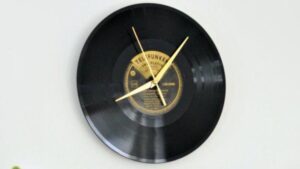
- Clocks – A record clock is one of the most well-known DIY projects, and it genuinely works. Drill a center hole, add a clock kit, and you have a one-of-a-kind piece.
- Bookends – Warped or damaged records can be shaped into bookends or other sculptural art pieces for the home.
These projects work especially well with records that aren’t playable or have no resale value. It’s a creative way to honor the music without letting it become trash.
What About Recycling Vinyl?
Here’s where things get a little complicated. Vinyl – made from polyvinyl chloride (PVC) – is not easy to recycle through standard programs. Most local recycling centers don’t accept it because PVC is a different type of plastic than what gets processed in curbside bins.
That said, it’s worth checking with a local recycling facility in Cleveland to see what they accept.
Some specialty electronic waste programs or plastic recyclers do handle PVC. Sending records to a landfill should be a last resort, both for environmental impact reasons and because it’s genuinely wasteful when other options exist.
If disposal is truly unavoidable, consider recycling through a dedicated program rather than standard waste pickup. Being environmentally friendly with old records is harder than with a compact disc, but it’s not impossible if you do the research.
Conclusion
Unwanted vinyl records deserve more than a trip to the landfill. Whether you sell, donate, get creative with upcycling, or consider recycling, there’s a smarter path forward. If your collection includes quality pressings in good condition, reaching out to a trusted buyer like Cash For Records is often the fastest and most rewarding option.
Give us a call at 216-315-8216, and let a professional take a look before you decide anything else.