

How To Spot Counterfeit Vinyl Records Before You Waste Your Money
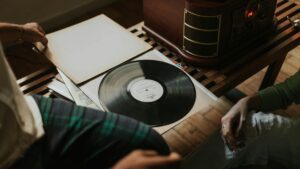
You find what looks like an original pressing of a classic album at a record fair. The price seems almost too good, and you hand over your cash. Then you get home, drop the needle, and something feels off. The sound quality is muddy, the label design looks slightly wrong, and a quick search on Discogs confirms your worst fear – you just bought a fake.
It happens more than most collectors want to admit. Counterfeit records are a real problem in the vinyl world, and knowing what to look for can save you a lot of money and frustration.
Why Counterfeit Vinyl Records Exist
Bootleg vinyl has been around almost as long as the phonograph record itself. A counterfeiter can press unauthorized copies of desirable albums, sell them without paying a royalty to the artist or label, and pocket the difference. It is essentially fraud – a scam that hurts both collectors and musicians.
The British Phonographic Industry (BPI) and organizations like the Vinyl Record Manufacturers Association (VRMA) have worked hard to address supply chain integrity and protect official releases. In the United Kingdom, the Police Intellectual Property Crime Unit actively investigates these cases, and local trading standards offices – operating under the Chartered Trading Standards Institute – can pursue fraudsters. But prevention starts with you knowing what to look for.
Things To Look For On the Record Itself
Check the Matrix Number and Runout Area
One of the most reliable ways to spot fake vinyl is to examine the runout area – the blank band between the final groove and the label. This is where pressing plants hand-etch or stamp the matrix number, sometimes called the etch or catalogue number.
On authentic vinyl from major labels, this number corresponds directly to pressing information documented in online databases. Websites like Discogs maintain detailed records of original pressings, first pressings, and reissues. If the matrix number on your record does not match what is listed there, something is wrong.
Counterfeit records often have poorly stamped or incorrect matrix numbers, or they try to copy the format without getting the details right. Always research this before buying anything expensive.
Feel the Weight and Quality of the Wax
Original pressings from well-known pressing plants tend to be heavier and more consistent in quality. Bootleg vinyl often uses substandard or recycled wax that feels lighter or looks slightly off in color. Poor sound quality during playback – distortion, surface noise, or a flat, lifeless tone – is another telltale sign that something is not right with the vinyl pressing.
Examining the Cover and Sleeve
Look Closely at Cover Art and Label Design
A counterfeiter cutting corners will often produce cover art with subtle pixelation, slightly wrong fonts, or colors that do not match the original release. Hold the album cover under good lighting and compare it to verified images on Discogs or the record label’s official catalogue.
Check the inner sleeves too. Authentic vinyl from The Beatles, Iron Maiden, David Bowie, and other iconic artists often includes specific printed materials, lyrics, or photos that fake versions simply cannot replicate accurately. Look for blurry text and images, thin cardboard, or labels that look slightly off-center.
Barcode and Catalogue Number Details
Officially released albums from major labels follow specific barcode and catalogue number formats. A missing barcode on a pressing that should have one, or a barcode that does not scan correctly, is a red flag. Cross-reference what you find with pressing information on Discogs to spot differences quickly.
Where You Buy Matters
Avoid Buying From Unverified Sources
Online marketplaces like eBay can be hit or miss. Always check seller feedback, ask for detailed photos of the runout area, and be cautious if stock seems unusually deep for a rare title.
Unofficial sellers at record fairs can also be a source of counterfeit records, especially if they are offering what appear to be special editions or demo pressings at prices well below market value.
Buy from reputable sources whenever possible – established record shop owners, verified sellers on Discogs, or Record Store Day authorized retailers. These channels have reputations to protect and are far less likely to deal in unauthorized or pirate pressings.
Know What You Are Buying
Live recordings and outtakes are common targets for bootleg releases because they’re often not officially available on compact disc or MP3. If someone is selling an “official” release that does not appear in any known catalogue, treat it with serious skepticism. Reputable sources will always be able to verify what they are selling.
Ring wear on a sleeve, honest aging on original labels, and consistent pressing weight are all signs of authentic vinyl with a real history. Fake records, on the other hand, tend to feel and look just slightly wrong once you know what you are checking.
Conclusion
Spotting counterfeit vinyl takes a little practice, but it is a skill worth developing before you invest serious money in a collection. Check the matrix number, examine the cover art, and always buy from reputable sources. If you have inherited or discovered a record collection and are unsure what you have, the team at Cash For Records has been helping collectors since 2001. Call us at 216-315-8216 for an honest evaluation you can trust.