
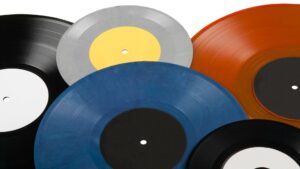
Colored Vinyl Records vs Black Vinyl: Which Sounds Better And Why It Matters
If you’ve ever stood in a record shop and reached for that striking red or translucent blue vinyl instead of the standard black version, you’ve probably wondered: Does the color actually change the way it sounds? It’s one of the most debated questions among vinyl enthusiasts, and the answer is more nuanced than a simple yes or no.
Let’s break it down in plain language so you know exactly what you’re getting, whether you’re buying, selling, or just genuinely curious.
Why Color Even Enters the Conversation
To understand the debate, you first need to know a little about the history of vinyl and how vinyl records are made. The phonograph record as we know it today is essentially a disc of PVC (polyvinyl chloride) pressed with a groove that a needle reads to produce sound.
Traditional black vinyl gets its color from carbon black, a form of carbon added during the production process. This additive does more than just color the disc; it also acts as a stabilizer that improves the structural integrity of the PVC and helps conduct heat more evenly during vinyl pressing. That matters because temperature plays a real role in how cleanly a groove forms at the pressing plant.
Color vinyl, on the other hand, replaces or reduces that carbon black with a dye or pigment. This is where the debate about sound quality begins.
Does Colored Vinyl Sound Worse Than Black Vinyl?
Here’s the honest answer: colored vinyl can sound slightly worse than black vinyl in some cases, but the difference is negligible for most listeners. The concern comes down to the quality of the materials used and how carefully each batch is pressed.
Audiophile communities have long argued that colored vinyl sounding worse than black vinyl is a real phenomenon, particularly when the pressing quality cuts corners. The carbon black used in standard black vinyl creates a denser, more consistent PVC pellet that reduces surface noise and improves audio fidelity. When you swap that out for a dye or use a clear material instead, the consistency of the PVC can vary, and that inconsistency is what can affect audio quality in a measurable way.
That said, colored vinyl sounding worse is not a universal truth. A well-pressed colored vinyl record from a reputable pressing plant can sound just as good as its black counterpart.
The Real Variable: Pressing Quality
The bigger factor isn’t the color of the vinyl, it’s how and where it was pressed. A poorly made black vinyl record will sound worse than a high-quality colored vinyl record. Full stop.
When a pressing plant takes care with quality control, uses premium PVC, and presses both colored and black records with equal attention, the difference in sound quality between the two is often negligible. Audiophiles who have tested black and colored vinyl side by side in controlled settings frequently report that they can’t tell them apart by ear alone.
This is why it’s worth understanding what makes a vinyl record valuable; it goes beyond color and into factors like the pressing plant, edition, and condition of the record itself.
Specific Types of Colored Vinyl and How They Perform
Not all colored records are created equal. Here’s how the most common types compare:
Solid color vinyl
A single color like red, blue, or white vinyl. These tend to perform similarly to regular black vinyl when pressed carefully, though white vinyl is sometimes noted as slightly noisier due to the pigments used.
Clear vinyl
Made from clear plastic with no added pigment or carbon black. Some audiophiles actually prefer clear vinyl for its visual appeal, but because it lacks the stabilizing properties of black carbon, it can be more prone to warping with temperature changes.
Split color or swirl vinyl
These involve two colors mixed together during pressing. The inconsistency in color often means inconsistency in the PVC blend, which can introduce more noise depending on the pressing.
Splatter vinyl
Similar to swirl, but more visually dramatic. The splatter effect can sometimes result in uneven material distribution, which affects playback quality unless the pressing is tightly controlled.
Glow-in-the-dark vinyl
These use special additives beyond just dye, which can introduce the most variability in audio fidelity of any color variant.
Picture disc
A picture disc is technically its own category. It uses a printed image laminated into the disc, which often results in noticeably lower audio quality compared to standard pressings. Most collectors treat them as collector’s items rather than listening records.
If you’re curious about how condition affects value regardless of color, our vinyl record grading guide is a great place to start.
Why Record Collectors Still Reach for Color
The appeal of colored vinyl isn’t just aesthetic. Limited-edition and colored vinyl releases often signal a new record or reissue that was pressed in limited quantities, which can actually make them more collectible over time.
Record labels use colored vinyl strategically to mark special edition colored releases, commemorate anniversaries, or generate excitement around an artist. Sites like Discogs track these releases meticulously, and modern colored pressings often carry significant resale value because they were pressed in a small run.
For record collectors, the question of colored vinyl vs standard black often comes down to purpose. Are you buying to listen or to collect? Both are valid; you just need to know which one matters more to you.
Understanding the difference between original and first pressings can also help you figure out whether a colored vinyl reissue is worth adding to your collection or selling.
How to Know If Your Colored Vinyl Is Worth Something
Whether you have a limited edition colored vinyl or a standard reissue, value depends on the pressing plant, the artist, the condition, and the demand. A limited edition colored pressing of a sought-after jazz album can be worth significantly more than a beat-up black vinyl copy of the same record.
If you’re not sure what you have, learn how to tell if a vinyl is original or a reissue before making any decisions. And if you want to make sure you’re evaluating the quality of vinyl fairly, check out how to grade a vinyl record like a pro.
So, Black or Colored Vinyl – Does It Actually Matter?
For casual listeners, the difference between colored and black records is something you’ll likely never notice. For audiophiles running high-end setups, black pressings from a quality pressing plant will generally sound great and perform more consistently than mass-produced colored vinyl.
But the color of the vinyl is rarely the deciding factor in whether a record sounds good as black or better. What matters most is the vinyl production quality, the source material, and how well the record has been cared for. A well-loved colored vinyl record in excellent condition can sound just as good as, or sound better than, a neglected black one.
The bottom line: colored vinyl can sound great when it’s done right, and normal vinyl can sound awful when it’s done wrong. It really depends on the pressing, not just the color.
Conclusion
The colored vinyl vs black vinyl debate comes down to pressing quality more than color. For most listeners, the difference is negligible. For collectors in Cleveland and beyond, understanding what makes a record valuable, whether it’s black or colored, is what really matters.
If you have vinyl sitting around that you’re ready to sell, Cash For Records offers honest evaluations and competitive cash offers. Call 216-315-8216 or visit cashforrecords.com to get started. You can also follow us on Facebook for updates.