

What Temperature Damages Vinyl Records? The Real Limits You Should Know
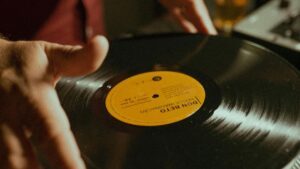
If you’ve ever left records in a hot car or stored a box of albums in the attic, you may already know the sinking feeling of pulling out a warped, unplayable disc. Temperature is one of the biggest threats to any vinyl record, and most people don’t realize how sensitive these things actually are until the damage is already done.
Let’s break down exactly what temperatures are dangerous, what happens to records when exposed to heat or cold, and how to store your records the right way.
Why Temperature Matters More Than You Think
A phonograph record is made from polyvinyl chloride, or PVC – a material that is sensitive to both heat and cold. Unlike a CD or digital file, the groove carved into a vinyl record holds every bit of audio information, and any deformation of that surface affects sound quality directly.
The problem is that PVC begins to soften at relatively modest temperatures. You don’t need extremely high temperatures for damage to occur. Even lower heat levels can cause vinyl to soften and warp if the conditions persist long enough.
At What Temperature Do Vinyl Records Warp?
This is the question most collectors need answered. Here is the short version: vinyl records warp at temperatures as low as 140 degrees Fahrenheit (60 degrees Celsius) under prolonged exposure and pressure, but problems can begin at much lower thresholds in real-world conditions.
The ideal temperature for vinyl records is somewhere between 65 degrees Fahrenheit (18 degrees Celsius) and 70 degrees Fahrenheit (21 degrees Celsius). Storing records outside of that range consistently creates risk, even if the damage is gradual.
What Happens in Excessive Heat
Excessive heat is the most common cause of a warped vinyl record. When the temperature climbs, PVC softens, and the record loses its rigid shape. A disc stored under weight, leaning at an angle in a crate, or left in direct sunlight can deform in a matter of hours.
Sunlight exposure is particularly dangerous because it combines heat and UV radiation. A record sitting near a window or on a car dashboard can reach internal temperatures well beyond what you’d expect from the ambient air alone. Heat sources like radiators are another common culprit – keeping records nearby is a risk that’s easy to overlook.
The Real Danger of Leaving Records in a Hot Car
Leaving records in a hot car is one of the fastest ways to destroy a collection. Car interiors can easily reach extreme heat levels on a warm day, with temperatures exceeding 140 degrees
Fahrenheit is common in a closed vehicle. Even a short trip can cause records to warp beyond playability, especially if they’re stacked flat or pressed against the seat.
If you’re moving your collection, transport records vertically, and keep the car interior as cool as possible. Treat them like passengers, not cargo.
Does Cold Temperature Damage Vinyl Records?
Cold temperatures can also damage vinyl, though the mechanism is different. Extreme cold makes records brittle, increasing the risk of cracking or snapping if handled roughly. Low temperatures below 32 degrees Fahrenheit (0 degrees Celsius) are particularly problematic.
There’s another issue when moving records from cold to warm environments. Condensation can form on the surface, which promotes mold growth. Indoor mold on a record sleeve or jacket can spread quickly, and mold is one of the environmental factors that can affect sound quality over time in ways that are difficult to reverse.
How Humidity Fits Into the Picture
Temperature and humidity are closely connected when it comes to proper storage. High humidity levels encourage mold, while very low humidity can make materials like paper sleeves brittle. The ideal range sits between 45 and 50 percent relative humidity.
Using a hygrometer to monitor conditions in your storage area is a smart and inexpensive precaution. Climate-controlled storage is the gold standard, but even a cool, dry closet away from exterior walls offers reasonable protection.
Practical Storage Tips to Prevent Warping
Proper care doesn’t have to be complicated. Here’s what actually protects a record collection from environmental factors:
- Use outer sleeves on every album to protect the record from dust and handling damage.
- Practice vertical storage at all times – never stack records flat under weight for extended periods, as heat and pressure together accelerate warping.
- Avoid the attic – attic temperatures fluctuate wildly between seasons, and those temperature fluctuations are destructive to PVC over time.
- Keep records away from direct sunlight and heat sources like radiators, which can quietly damage vinyl even when the room feels comfortable.
- Maintain ideal storage conditions with stable temperature and humidity levels, and use climate-controlled storage if possible.
If you do end up with a warped record, some people have success using methods to flatten it under glass and gentle heat, though results vary and there’s always a risk of damage. A severely warped vinyl is tough to save.
Protect Your Records Before It’s Too Late
Good storage solutions and proper handling are crucial to keeping a record collection in pristine condition. Whether you’re building a serious record collection or sitting on a box of inherited albums, the environmental factors around storage conditions matter more than most people realize. Ensure your records are stored safely, and they can last for generations.
Thinking About Selling Your Records?
If you’ve discovered records that are already in great shape but collecting dust, or if you want to turn your analog sound investment into cash, Cash For Records is here to help. We offer honest evaluations and competitive offers for quality vinyl. Give us a call at 216-315-8216 and let’s talk about what your collection is worth. There’s no pressure, just straightforward service from people who genuinely care about record stores and the music they hold.