

How To Pack Vinyl Records For Moving Without Damaging Them
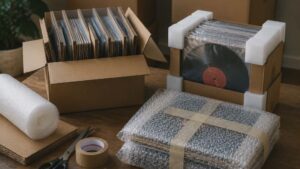
Moving is stressful enough without worrying about your record collection. But if you own vinyl, you already know these aren’t just objects – they’re irreplaceable pieces of music history. A careless move can warp, crack, or scratch records that took years to collect.
The good news is that with the right approach, you can pack and move your collection without losing a single groove. This guide from a moving service perspective will walk you through every step of packing and moving your vinyl the smart way.
Why Vinyl Records Need Special Attention During a Move
Vinyl records are more fragile than most people realize. Made from polyvinyl chloride, they warp under heat, crack under pressure, and scratch from even minor contact with rough surfaces.
Environmental factors like temperature swings, humidity, and direct sunlight and heat can affect your vinyl during transport in ways that aren’t obvious until you’re unpacking.
Unlike books or clothing, records require a specific consideration of environmental factors and proper handling techniques at every stage of the move. Skipping steps here can cost you albums that are impossible to replace.
Step One: Take Inventory of Your Record Collection
Before you touch a single box, take inventory of your record collection. Go through each album and note its condition, genre, and approximate value. This inventory of your record collection also serves as documentation for insurance purposes if anything is lost or damaged in transit.
While you’re at it, identify records that may require special handling – first pressings, rare jazz titles, limited editions, or anything with significant collector value. Knowing what you have helps you prioritize and protect accordingly.
This is also the perfect time to review vinyl record grading standards, so you know which albums deserve extra care during packing.
Step Two: Clean Your Vinyl Collection Before Packing
Never pack dirty or damaged records. Dust and grime trapped against the vinyl surface during a move can grind into grooves and cause permanent damage. Take this opportunity to clean your vinyl collection before packing begins.
Learning how to clean vinyl records safely ensures you’re not introducing scratches during the cleaning process itself. Once cleaned, allow records to dry completely before sleeving and boxing them.
This is also a good moment to remove any records that are already too far gone. Packing and moving a cherished vinyl record collection requires real honesty about what’s worth bringing along.
Step Three: Sort Your Vinyl Records by Size
Organize your vinyl records by size before placing them in boxes. Mixing 12-inch and 7-inch records in the same box creates uneven pressure and increases the risk of cracking. Sorting by size also makes unpacking and rebuilding your record storage system much easier once you arrive at your new home.
Use dividers, record mailers, or cardboard inserts inside each box to keep sleeves upright and separated. A simple piece of cardboard between every few records adds an extra layer of protection without adding much weight.
Step Four: Choose the Right Packing Materials
Using the right packing materials makes the difference between records that arrive safely and records that don’t. Here’s what you’ll need:
- Sturdy boxes – Look for U-Haul small boxes or record-specific boxes designed to hold vinyl upright. Avoid oversized cardboard boxes where records can shift and lean.
- Bubble wrap – Use bubble wrap around especially valuable albums or for outer protective layers on the box itself. Avoid placing bubble wrap directly against the vinyl surface.
- Packing paper and acid-free paper – Packing paper can cushion the outside of sleeves, while acid-free paper protects inner sleeves from degradation over time.
- Packing tape – Seal all boxes securely. A box that opens in a moving truck is a disaster waiting to happen.
Avoid harmful packing materials like newspaper, which transfers ink, or plastic wraps that trap moisture. Check each record for outer protective sleeves and consider adding plastic protectors for especially valuable albums.
Step Five: Pack Records Vertically, Never Flat
This is the rule that many people get wrong. Always store vinyl upright – never stack records flat inside a moving box. Stacking creates pressure that warps records over time, and even a short move can cause damage if records spend hours lying horizontally.
Place records vertically in your record boxes, just like they would sit on a shelf. Keep boxes full enough that records don’t lean, but not so packed that you’re forcing them in. If a box isn’t quite full, use crumpled packing paper to fill the gap.
For guidance on long-term habits, it’s worth reading up on proper vinyl record storage techniques so your new setup supports the collection properly after the move.
Step Six: Load the Moving Truck Carefully
When using a moving truck, keep record boxes away from the vehicle’s walls. Metal walls conduct heat and cold, and environmental conditions inside a truck can fluctuate dramatically depending on the weather outside. Consider using climate-controlled transport options if you’re moving valuable records over long distances.
Keep boxes upright during loading and clearly label them as fragile. Stacking heavy furniture or boxes on top of record boxes is one of the fastest ways to damage the vinyl. If you’re hiring a professional packing service or working with a moving company, make sure they understand your vinyl collection requires careful planning and specific placement in the truck.
Step Seven: Unpack and Inspect Upon Arrival
Once your vinyl records arrive at your destination, don’t rush the unpacking. Remove all packing materials carefully and check each record for warping, cracking, or sleeve damage before placing them in your new space.
If you’re purchasing new record storage furniture for your new home, set it up before unpacking.
Getting records off the floor and into a proper record storage system immediately protects them from moisture and environmental damage.
This is also a good time to address any issues you notice, including repairing scratched vinyl records if any were damaged in transit.
Thinking About Selling Before You Move?
Moving is one of the most common reasons collectors decide to downsize. If you’ve taken inventory and realized part of your collection is more than you want to transport, selling is a smart option. Learning how to grade a vinyl record like a pro helps you understand what your collection might be worth before reaching out to record buyers in Jacksonville, FL.
A cherished vinyl record collection requires careful thought before every step – including the decision to sell. Cash For Records travels directly to collectors in Cleveland and across Ohio, Florida, Georgia, Alabama, and Virginia, offering honest evaluations and immediate cash offers, including options to sell records for cash in Jacksonville, FL, so you can safely transport your vinyl records or turn them into cash before moving day.
Conclusion
Moving vinyl records safely comes down to preparation, using the right packing materials, and understanding how to pack and safely transport them without cutting corners. Every step of packing matters – from cleaning and sorting to loading the moving truck correctly. If you’re ready to safely transport your vinyl records to your new home in pristine condition, follow this guide and give your collection the care it deserves. And if selling makes more sense than moving, contact Cash For Records at 216-315-8216 for a fast, fair evaluation.