
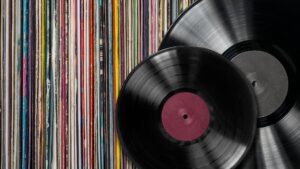
Navigating the world of vinyl records can feel overwhelming, especially when it comes to understanding how to properly grade these treasured pieces of musical history.
At Cash For Records, we’re here to guide you through the process, ensuring you accurately assess the condition and value of your vinyl records. This expertise helps both buyers and sellers make informed decisions within the record-collecting hobby.
Understanding Vinyl Grades
Before diving into the specifics, it’s important to familiarize yourself with the basic grading system known as the Goldmine Grading Standard. This widely accepted system helps to evaluate the condition of both the vinyl disc and the sleeve, providing a clear understanding of the record’s state.
Key Vinyl Grades
- Near Mint (NM):
- A nearly perfect record. It shows no obvious signs of wear.
- Vinyl has no surface noise when played, and visually is free of any significant marks.
- The sleeve and inner sleeve will show no or very light wear, with no crease or seam splits.
- Very Good Plus (VG+):
- Shows some slight signs of wear, including light surface noise.
- May display scuffs or very light scratches that don’t affect the sound.
- The cover or sleeve may have slight ring wear or discoloration.
- Very Good (VG):
- These records may show more noticeable signs of wear, including visible groove wear and scratches.
- Surface noise is evident during playback, likely to include some pops and clicks.
- The sleeve may be marred by seam splits and have tape or stickers.
- Good Plus (G+):
- Heavily marred by wear, the vinyl exhibits significant surface noise.
- It will still play through without skipping, but will have all the aforementioned imperfections.
- The sleeve may show severe signs of use, including large seam splits or tears.
- Poor (P) or Fair (F):
- The record is cracked or badly warped and will be unplayable.
- The sleeve might be missing or in such poor condition that its value is merely historical.
Evaluating the Disc and Sleeve
Assessing the Vinyl Record
When grading vinyl, close examination of the disc is vital. Follow these steps for evaluating:
- Visual Inspection:
- Look for scuff marks, light scratches, and any signs of improper storage or warping that affect the sound.
- Ensure there are no signs of heavy groove wear or scratches, as these impact playback.
- Playing the Record:
- Listen for surface noise, pops, and clicks.
- A record in good or good plus condition can be played without skipping despite light scratches.
Assessing the Sleeve
A sleeve, or type of sleeve, also plays into grading:
- Check for ring wear or discoloration.
- Inspect for seams and any splits or tears.
- Ensure the album cover and inner sleeve are intact and in good shape.
Sonic Artifacts and Their Impacts
Pops and Clicks:
These are common across used vinyl and are part of the charm, but should not overpower the music otherwise.
Surface Noise:
This occurs from visible groove wear and often adds a layer of history, but should not overpower the music.
Warps:
Records with slight warps that do not affect play can still be graded excellent, while a badly warped record detracts substantially from value.
Common Grading Mistakes to Avoid
- Ignoring Visual and Auditory Inspection:
- A record may look fine, but it can produce significant surface noise when played. Always inspect both visually and audibly.
- Overgrading Records:
- Remember, no record is ever truly perfect. Standards are key to maintaining the value of records.
- Overlooking the Sleeve:
- Even rare records lose value if their covers are in poor condition.
Trust the Experts
With insights from Cash For Records, feel confident in grading your collection. For an in-depth guide, refer to our vinyl record grading guide. Comprehensive vinyl record grading helps you understand the value of your records, whether you’re looking to buy or sell records.
Conclusion
Grading records accurately ensures that you maintain integrity in your collection, keep its value, and sell records at fair prices. By understanding vinyl grading and utilizing resources like our vinyl grading guide, you’ll avoid costly mistakes and enhance your record-collecting journey. If you’re ever in doubt, consult with experienced record collectors and hit your local record store to compare notes. Happy grading!