
Cassette Tapes vs. Vinyl Records: Sound, Value, and Listening Experience
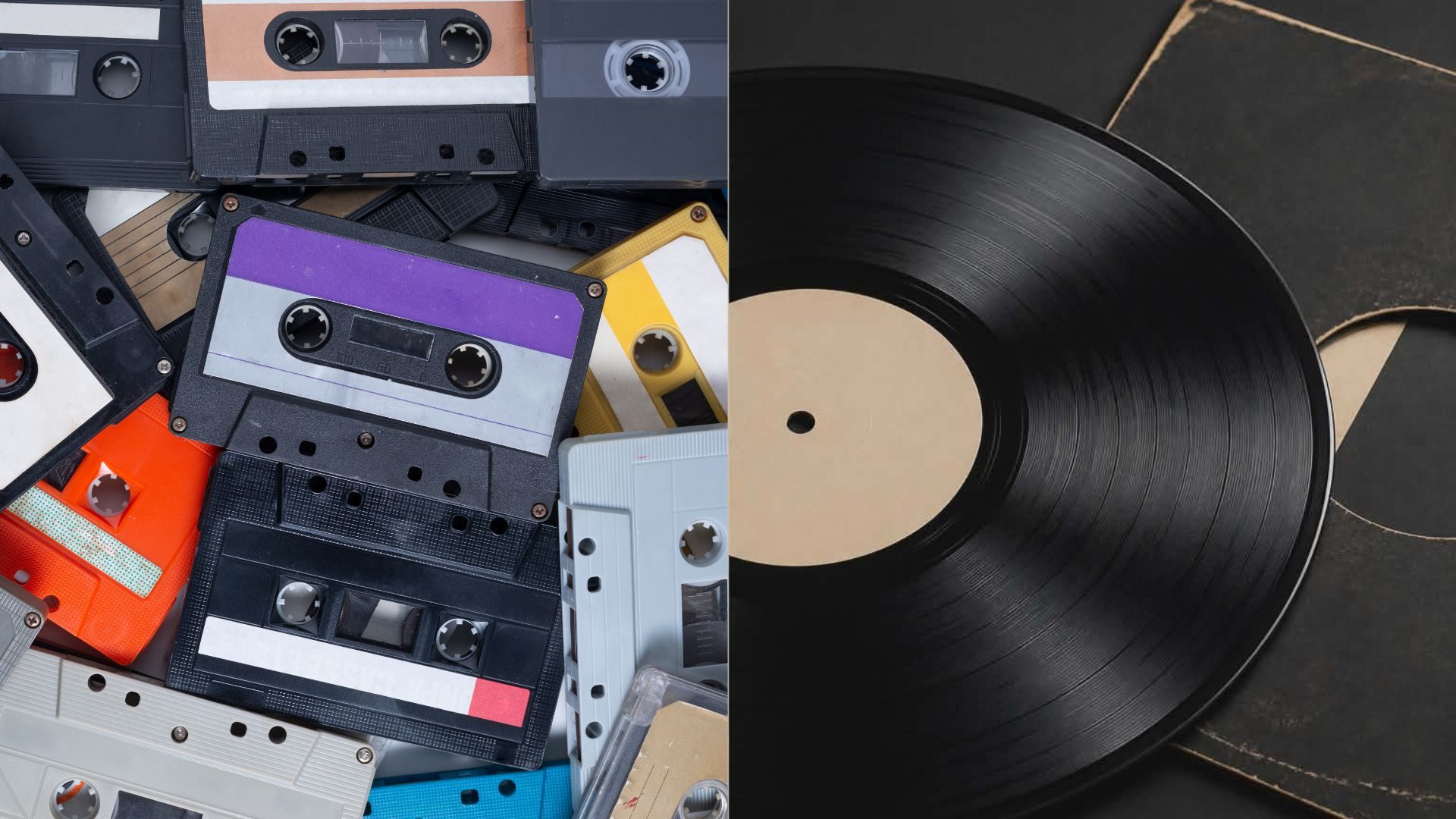
If you have ever come across a box of cassette tapes beside a stack of vinyl records, you may have wondered which format sounds better or holds more value. Both formats continue to interest music fans, collectors, and people sorting through inherited collections, but they offer very different listening experiences.
Here is how cassette tapes and vinyl records compare in sound, durability, convenience, and collector appeal.
What Is the Difference Between Cassette Tapes and Vinyl Records?
Vinyl records and cassette tapes are both analog music formats, but they store and reproduce sound differently.
A vinyl record stores audio in physical grooves on the surface of a disc. When a stylus travels through those grooves on a turntable, the movement is converted into sound.
A cassette stores audio magnetically on a narrow strip of tape. During playback, the tape moves past the heads inside a cassette deck or portable player, allowing the recorded audio to be heard.
Because both formats are analog, many listeners appreciate the physical experience of owning and playing them. However, their sound, storage needs, durability, and collector appeal can differ significantly.
Sound Quality: Does Vinyl Sound Better Than Cassette?
For many listeners, a clean vinyl record played on a properly set up turntable can provide a more detailed and satisfying listening experience than a typical prerecorded cassette. Vinyl is often appreciated for its presentation, larger format, and the experience of playing an album from beginning to end.
However, sound quality is not determined by format alone.
A scratched or dirty record played with a worn stylus may sound worse than a well-preserved cassette played on a properly maintained deck. Likewise, a cassette that has been stretched, exposed to heat, or played on a poorly functioning machine may have noticeable hiss, warble, or dropouts.
The recording source, mastering, manufacturing quality, condition, and playback equipment all influence the final listening experience.
What Does a Cassette Tape Sound Like?
Cassette tapes became popular because they were portable, recordable, and easy to use. People could buy prerecorded albums, make mixtapes, record radio broadcasts, or listen to music on portable players.
A well-recorded cassette in excellent condition can still sound enjoyable. However, cassette playback may include audible tape hiss, particularly on older or lower-quality recordings. Tape can also develop issues such as stretching, warbling, or uneven playback over time.
Unlike larger professional open-reel tape systems, the standard compact cassette was designed mainly for convenience and portability. That convenience is a major part of its appeal, but it can also limit its performance compared with other analog formats.
What Does Vinyl Sound Like?
Vinyl records are often valued for both their sound and their physical presence. Album artwork, liner notes, labels, and collectible pressings all contribute to the experience of owning records.
A well-kept record played on quality equipment may deliver clean, full sound with an engaging sense of presence. However, vinyl records are sensitive to condition. Dust, scratches, improper storage, warped discs, and worn playback equipment can cause pops, clicks, distortion, or skipping.
Repeated playback can also gradually contribute to wear, especially when a record is dirty or played with a damaged or poorly maintained stylus.
Why Equipment and Condition Matter
A fair comparison between cassette tapes and vinyl records should always account for condition and equipment.
For vinyl, important factors include:
- The condition of the record surface
- The quality and condition of the stylus
- Proper turntable setup
- Clean storage sleeves
- Protection from heat, moisture, and warping
For cassette tapes, important factors include:
- The physical condition of the tape
- A properly functioning cassette deck
- Clean and aligned playback heads
- Protection from heat and moisture
- Careful handling to avoid stretching or tangling
A clean record on a reliable turntable may sound significantly better than a damaged cassette. A carefully stored cassette on a well-maintained deck may sound better than a badly scratched record. Condition matters just as much as the format itself.
Durability: Do Cassettes or Vinyl Records Last Longer?
Both cassette tapes and vinyl records can last for many years when stored and handled properly, but each format has its own risks.
Vinyl records can become scratched, warped, cracked, or damaged by dust and improper handling. They should generally be stored upright in protective sleeves and kept away from excessive heat and moisture.
Cassette tapes can stretch, tangle, break, or suffer playback problems as the tape and internal components age. They should also be stored upright in their cases and kept away from heat, humidity, and magnetic exposure.
Neither format is indestructible. A well-maintained collection is far more likely to remain playable and appealing than one that has spent decades in a damp basement, hot attic, or unprotected box.
Convenience and Listening Experience
Cassette tapes offered something vinyl records could not: portability and easy home recording. They were ideal for car stereos, portable players, mixtapes, personal recordings, and sharing music with friends.
Vinyl records offer a different type of experience. Playing a record is typically more intentional. Listeners may enjoy selecting an album, examining the cover, cleaning the disc, placing the needle, and listening through an entire side.
For some people, cassette tapes are connected to memories of car rides, mixtapes, and portable music. For others, vinyl offers a more collectible and immersive way to enjoy an album. Both formats can be meaningful, even when they appeal to listeners for different reasons.
Cassette Tapes vs. Vinyl Records: Which Has More Value?
When it comes to collector value, the format alone does not determine what an item is worth.
A vinyl record’s value may depend on:
- Artist and title
- Pressing and label details
- Condition of the record and sleeve
- Rarity
- Demand among collectors
- Special versions, promotional copies, or limited releases
Cassette tapes may also attract collectors, especially when they involve rare releases, unusual editions, demos, or limited items. However, Cash For Records focuses on evaluating and purchasing vinyl record collections, including LPs, 45s, 78s, and 12-inch singles.
If you discover a box of old records, avoid assuming they have no value based on appearance alone. A knowledgeable record buyer can examine the collection more carefully and help identify records that may interest collectors.
Frequently Asked Questions
Is vinyl better than cassette for everyday listening?
It depends on what you value. Vinyl is often preferred by listeners who enjoy album artwork, collectible pressings, and a more intentional listening experience. Cassette tapes are portable, recordable, and connected to a different kind of nostalgia.
Do cassette tapes degrade faster than vinyl records?
Both formats can deteriorate. Cassettes may stretch, tangle, or develop playback problems, while vinyl records can scratch, warp, or wear from improper handling and playback. Proper storage can help protect both formats.
Can a cassette sound better than a vinyl record?
Yes, depending on condition and playback equipment. A well-preserved cassette on a functioning deck may sound better than a damaged vinyl record played on poor equipment. Format alone does not determine sound quality.
Are old vinyl records valuable?
Some are, while many are common. Value depends on factors such as artist, pressing, label, condition, rarity, and current collector demand. An evaluation can help determine whether a collection contains desirable records.
Conclusion
Cassette tapes and vinyl records both offer a physical connection to music, but they serve different listening experiences. Cassettes are portable, recordable, and strongly associated with personal memories and convenience. Vinyl records offer larger artwork, a more hands-on listening ritual, and an established collector market for desirable pressings.
If you have inherited or discovered a vinyl record collection and want to learn what it may be worth, Cash For Records can help. The company has been buying vinyl records in Cleveland since 2001. Call 216-315-8216 for a straightforward evaluation of your collection.