
Acetate Records vs. Vinyl: Sound, Durability, and Studio Use
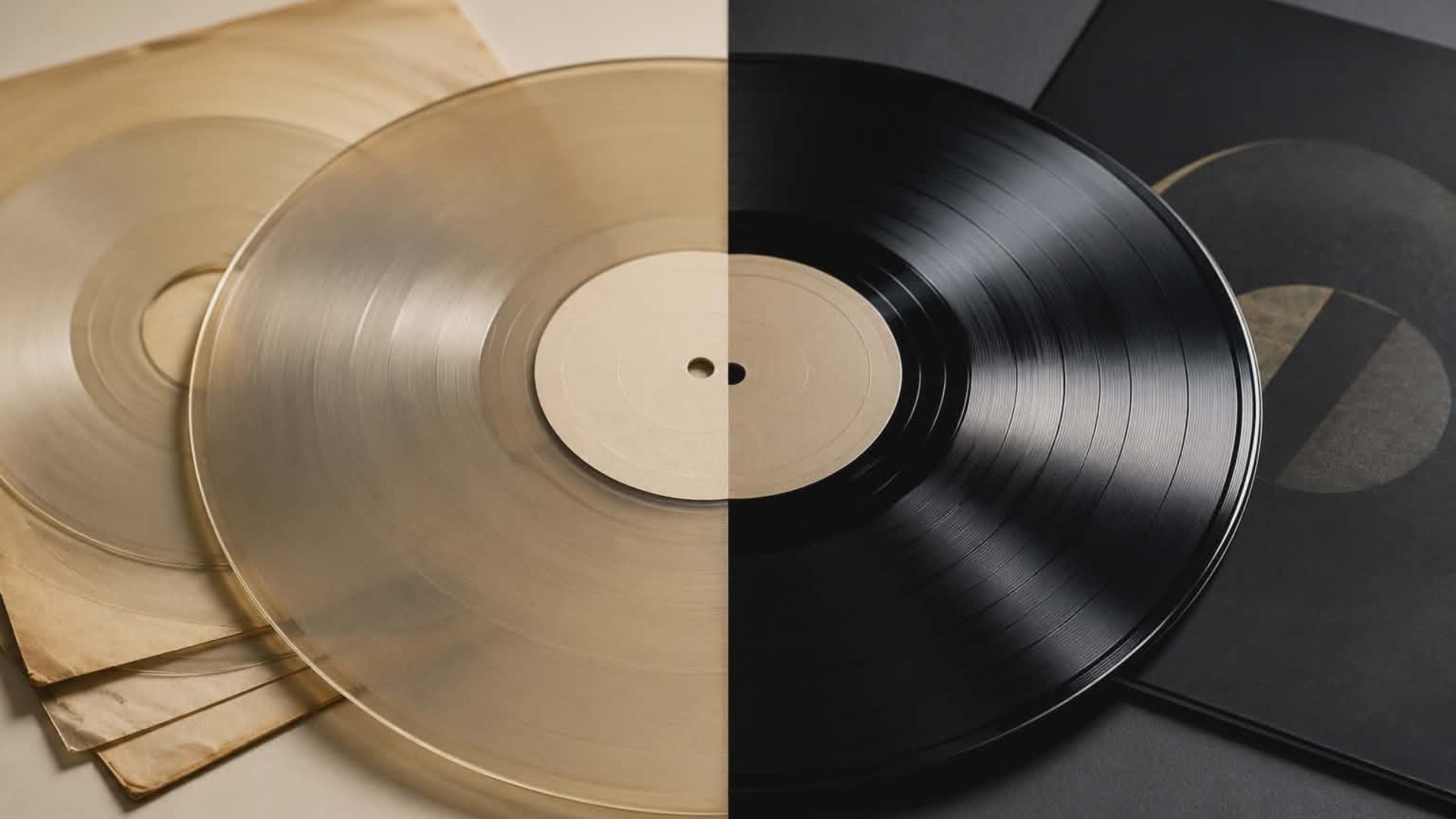
If you have ever looked through a record collection and found a disc that resembles vinyl but feels heavier or looks unusually plain, you may have found an acetate record. Although acetate records and vinyl records can both be played on a turntable, they were generally created for very different purposes.
What Is an Acetate Record?
An acetate record, often called a lacquer disc, is typically made with an aluminum base coated in lacquer. Audio is cut directly into the surface using a disc-cutting lathe, creating playable grooves.
Unlike commercially pressed vinyl records, acetate discs are usually cut individually rather than manufactured in large quantities. This makes an acetate fundamentally different from an LP or single pressed for retail sale.
Acetates were commonly used for studio reference copies, demos, promotional recordings, radio use, and certain stages of the vinyl production process. Because they were not usually intended for regular consumer playback, they can be much more fragile than standard vinyl records.
How Acetate Records Fit Into Vinyl Production
In traditional vinyl mastering, a lacquer master may serve as the starting point for creating the metal stampers used to press records.
The process typically works like this:
- A recording is prepared from an audio master, such as tape or a digital source.
- A mastering engineer cuts the audio into a lacquer disc using a cutting lathe.
- The lacquer master is plated to create metal parts used in stamper production.
- The finished stampers are placed in a press to manufacture vinyl records in larger quantities.
Test pressings may then be created before the full commercial run begins. These allow the artist, label, or production team to check the finished pressing before approving a larger release.
It is important to note that not every acetate disc was used as a production master. Some were created only as reference copies, demos, promotional recordings, or broadcast discs.
Acetate Records vs. Vinyl: Sound and Durability
An acetate can provide a direct listening copy before a retail pressing exists, but it is not automatically better sounding than vinyl. Sound quality can depend on the recording, mastering, equipment, condition, and playback history of the disc.
The clearest difference between acetate records and vinyl records is durability.
Vinyl records are made for repeated playback and long-term ownership when handled properly. Acetate records are much more delicate. The lacquer surface can wear down, crack, peel, or deteriorate over time, especially if the disc is played repeatedly or stored improperly.
For that reason, anyone who finds an acetate record should handle it carefully and avoid unnecessary playback until they know whether it may have collectible value.
Why Are Acetate Records Collectible?
Some acetate records are desirable because they were produced in limited quantities and may contain material that differs from the final commercial release. Depending on the disc, an acetate may include:
- An unreleased song
- An alternate mix
- A demo recording
- A reference version of an album or single
- Promotional audio sent to radio stations or industry contacts
Acetates associated with well-known artists, unusual recordings, or historically significant releases can attract strong collector interest. However, not every acetate is valuable. Condition, artist, recording content, authenticity, label details, and demand all influence what a collector may be willing to pay.
How to Identify an Acetate Record
An acetate can look similar to a vinyl record at first glance, but there are a few details that may help you identify one:
- It may feel heavier or more rigid than a standard vinyl record.
- The label may be plain, typed, or handwritten.
- It may come in a simple sleeve rather than retail album packaging.
- It may include studio notes, track information, or timing details.
- The surface may show signs of wear, cracking, or peeling.
Because acetates can be delicate, avoid cleaning or playing one repeatedly before having it examined by someone familiar with collectible records.
Conclusion
Acetate records and vinyl records both have an important place in music history, but they were generally made for different purposes. An acetate is typically an individually cut, fragile disc used for reference, production, demonstration, or promotional purposes. Vinyl is the more durable pressed format made for repeated listening and retail distribution.
If you have inherited a record collection that includes an acetate, test pressing, or other unusual disc, Cash For Records can help you better understand what you have. Call 216-315-8216 for a straightforward evaluation from an experienced record buyer who has been buying collections since 2001.