

How Much Is My Record Collection Worth? A Simple Guide to Finding Out
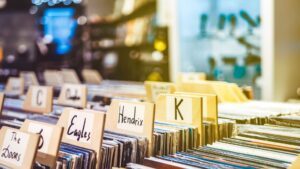
So you found a stack of vinyl records in the attic, inherited a collection, or you’re simply wondering if those albums gathering dust are worth anything. You’re not alone. Thousands of people ask this question every year, and the answer is almost never simple – but it’s absolutely findable.
This guide walks you through how to determine what your records are worth, what factors drive value up or down, and how to avoid common mistakes sellers make.
Start With What You Actually Have
Before you can find out the value of your vinyl records, you need to know what you’re working with. Flip the record over and look at the label. You’re looking for the artist name, album title, catalog number, and the name of the record label itself.
Factors such as the record label (for example, Blue Note on jazz releases), original pressings, and anything marked as a limited edition can significantly shift a record’s value. A 1968 pressing of a classic jazz album is a very different thing from a 1990s reissue of the same title.
Use Discogs to Research Prices
The go-to vinyl record price guide used by collectors worldwide is Discogs. It’s a massive database of phonograph records where you can search by artist, album, format, and pressing.
Here’s the key tip: don’t just look at what records are listed for. Look at the median of recent sales in the “Last Sold” section. Any seller can ask any price, but actual sales data tells you the true value of what buyers are willing to pay.
The vinyl price range for the same album can vary wildly depending on condition and pressing. Use Discogs to scan for your specific pressing – the catalog number on your label will help you match it exactly.
Condition Is a Major Factor
Condition is probably the single biggest factor in determining record value. A mint copy of a valuable album can fetch serious money. The same record in poor shape might be worth less than a dollar.
Record collectors use a grading scale. VG (Very Good) copies are common and still sellable, but they are not the ones that command top dollar. Those are typically graded Mint or Near Mint. Even small scratches or damage to the sleeve can drop the value significantly.
Before you sell, be honest about the condition. Buyers notice everything.
What Makes a Vinyl Record Valuable?
What Makes a Vinyl Record Valuable? Understanding the value of vinyl records based on a few key criteria helps you set realistic expectations. Here’s what typically drives high value:
- First pressings – Original pressings almost always retain more value than reissues
- Rare pressings – Limited runs, regional releases, or promo copies can be extremely valuable
- Sought-after genres – Jazz, blues, soul, and classic rock consistently attract serious record collectors
- Artist demand – Albums by artists like Pink Floyd, Miles Davis, or John Coltrane draw strong interest at auction and on resale platforms
Common records – think mass-produced pop reissues or Reader’s Digest compilations – are generally worth less regardless of condition.
Check eBay for Auction Comparisons
Discogs is ideal, but eBay is also useful for spotting trends. Search for your album and filter by “Sold Listings.” This shows you real auction results, not wishful asking prices.
Comparing both platforms gives you a fuller picture of what a buyer is actually willing to pay in today’s market. Just be cautious about fake or misrepresented listings – always cross-reference pressing details.
Don’t Overlook Niche Genres and Obscure Artists
Not every valuable record is a household name. Some niche pressings from small labels – think early punk, regional soul, or experimental jazz – can be surprisingly valuable to the right collector.
A rough trade pressing or an indie release from a forgotten band might be worth more than a well-known mainstream album. The music market is wide and sometimes unpredictable.
Researching each record individually is the safest approach.
When to Bring in a Professional Buyer
If your vinyl collection is large or you’ve discovered what looks like rare or valuable records, professional record buyers can save you hours of research. A reputable buyer will evaluate conditions, identify pressing details, and make a fair cash offer on the spot.
Cash For Records has been buying vinyl since 2001. Founded by Paul Robinson in Cleveland, the company specializes in jazz, rock, blues, soul, and beyond – and they travel directly to you to evaluate your collection in person.
Conclusion
Finding out what your records are worth takes a little research, but it’s worth doing right. Start by identifying your pressings, use a vinyl record price guide like Discogs to discover recent sales data, and pay close attention to condition. If the collection is sizable or you simply want a fast, honest answer, Cash For Records offers free evaluations and same-day cash offers. Reach out at 216-315-8216 and let a trusted expert take a look.